3. Be intentional
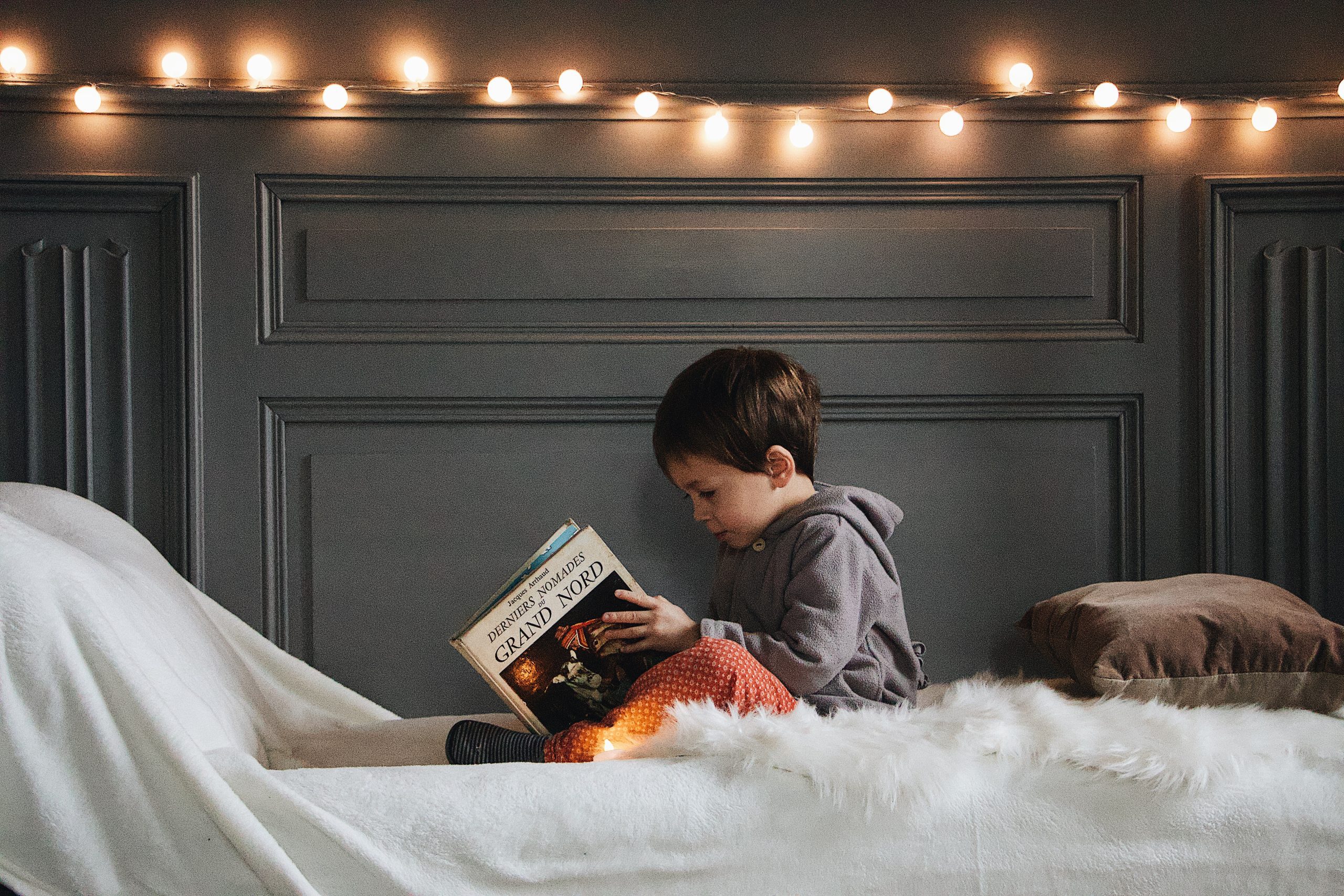
Every learning space and every resource should serve a purpose. Ask yourself, “What is the purpose … (of this or that)?” Our respect for spaces and materials serves as a role model for children. Similarly, clutter communicates the lack thereof. Support the children as they help to clean up the space after use. It is important for children to know where things go. Children have a right to be in spaces that are aesthetically pleasing.
Collect beautiful and diverse art pieces, pretend play props and other learning resources and create spaces where children can interact with them. Remember to label all spaces and outline and print the rules or agreements on the use of the different spaces and resources. Not only will the environmental print enhance reading competence in your children, it will also reinforce social skills when siblings and peers are involved.




 Find a School
 I'd Like to Book a Tou
 Compare School
 Careers
 FAQs
FAQs
 Blog
Blog
 For Queries, Contact us at +65 6746 3333