The inquiry began with structures arriving from home, each carrying different materials, forms, and ways of connecting. Tape, glue, string, cardboard, and loose parts revealed different possibilities for joining and supporting pieces together. As structures were placed side by side, children noticed differences in height, balance, and stability, raising shared questions about what helps structures stand, rise, lean, or fall.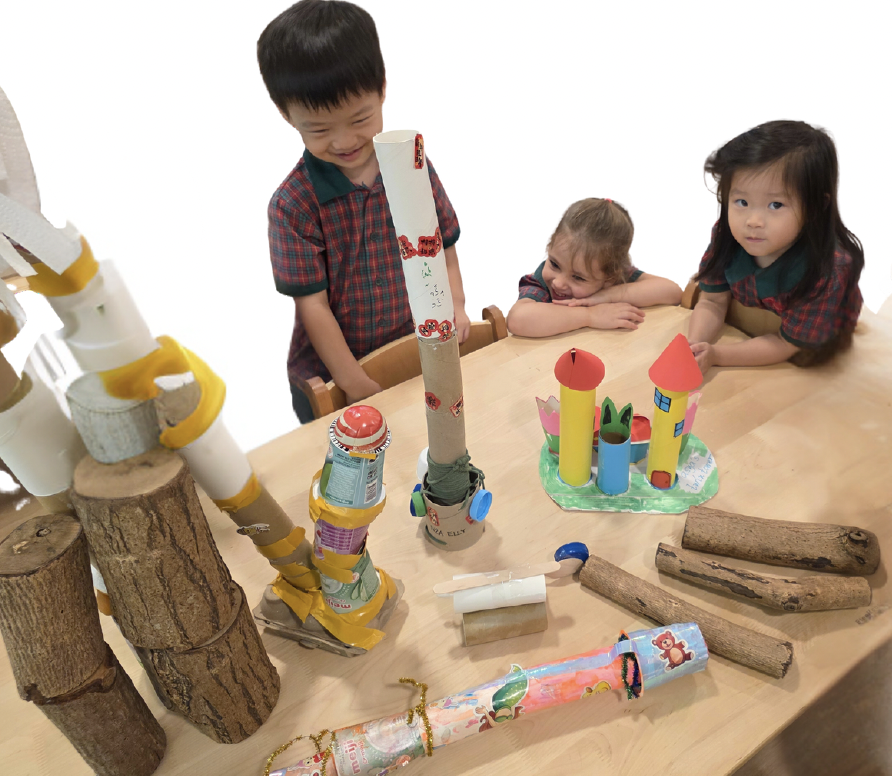
Sharing structures from home
Structures stood beside one another as children compared height, shape, and balance. Connections between parts became a point of attention, with tape, glue, string, and layered materials revealing different ways of holding structures together.
 Margarida: Mama put the glue and stick it together to make it so tall.
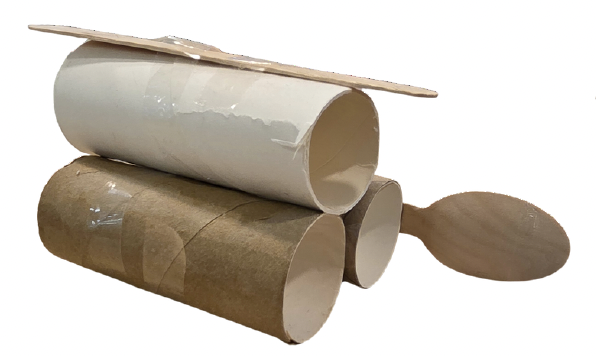
Comparing stability
Some structures remained upright while others leaned or collapsed. Through careful observation and shared discussion, children began forming early ideas about balance, support, and strength.
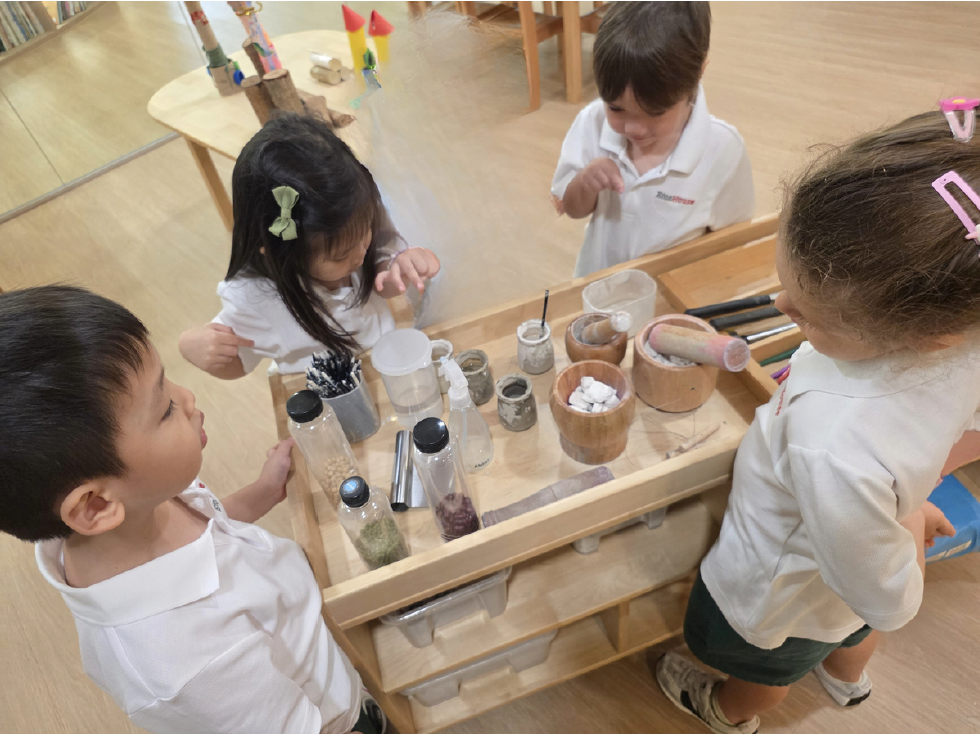
Asya: We cannot use glue. We use slip. Slip is like glue for the clay.
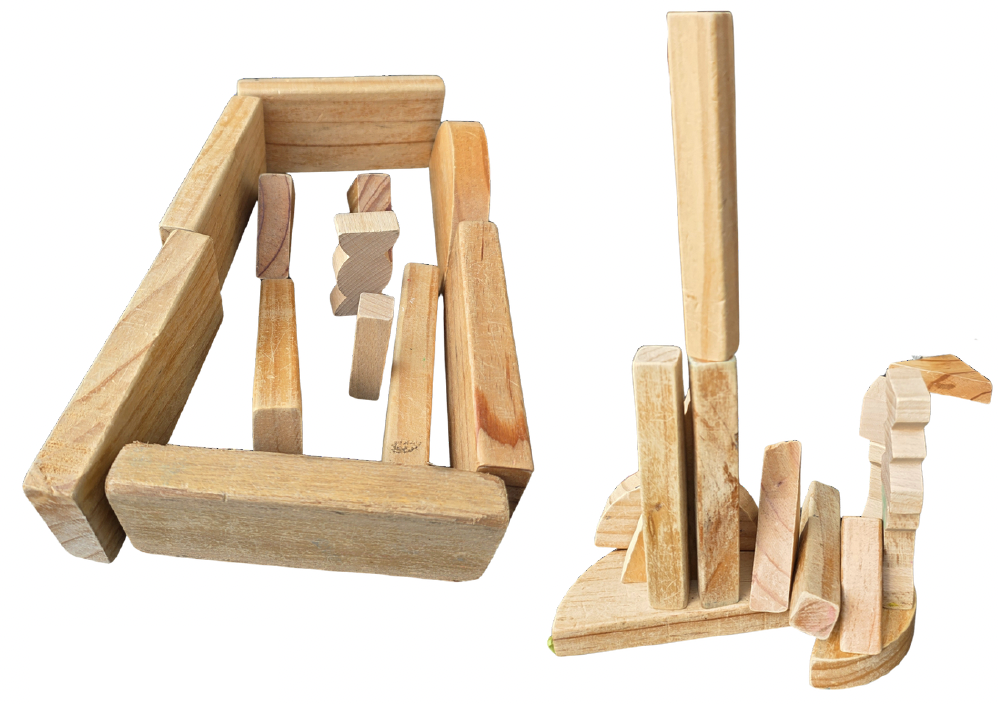
Alexander: This is a tunnel. It doesn’t have a door.
户外建构
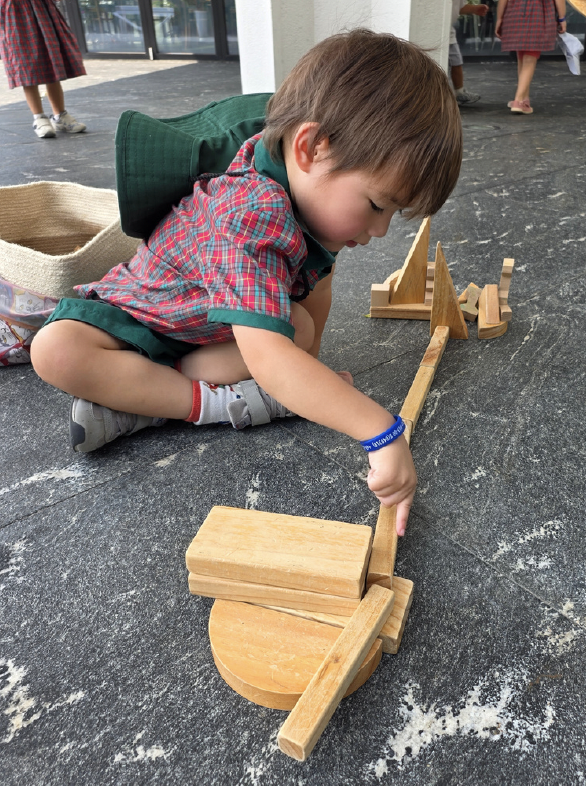
微风轻轻掠过结构,不平整的地面也以出人意 料的方式改变着它们的平衡。当结构倾斜、倒 塌或依然稳固站立时,孩子们一次次回到作品 前,拓宽底部、降低高度,并增加支撑。户外 空间带来了流动与变化,让“稳定”不再是固 定不变的结果,而是在一次次反复尝试中不断 被检验、调整与重新思考的过程。
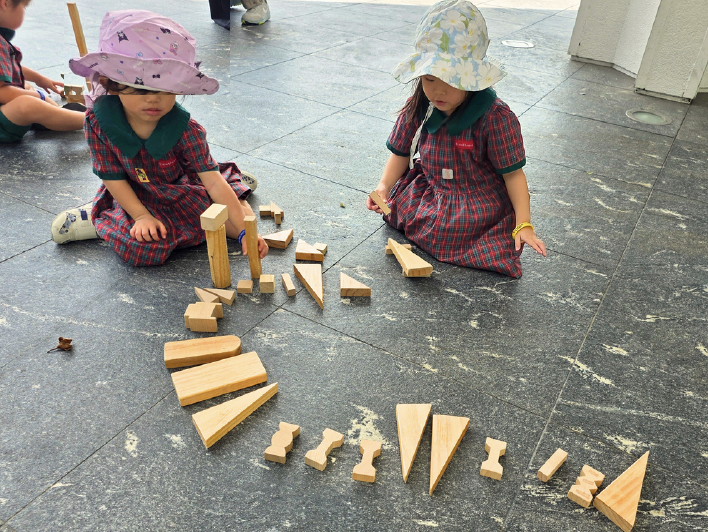
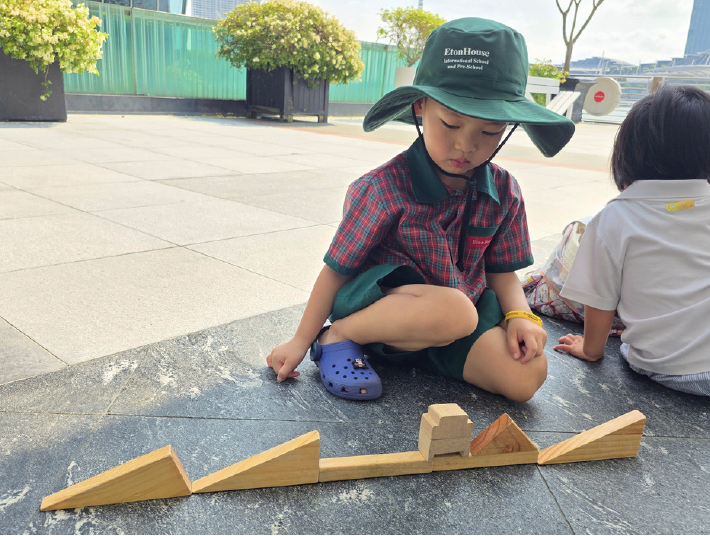
Margarida: Oh no! The wind! My house is fall!
比较稳定性
有些结构依然稳稳站立,而另一些则慢慢倾斜或倒塌。当孩 子们观察、比较,并重新回到彼此的作品前时,关于力量、 平衡与支撑的想法也逐渐在交流中流动起来。“稳定”不再 只是一个结果,而逐渐成为一场共同的探究。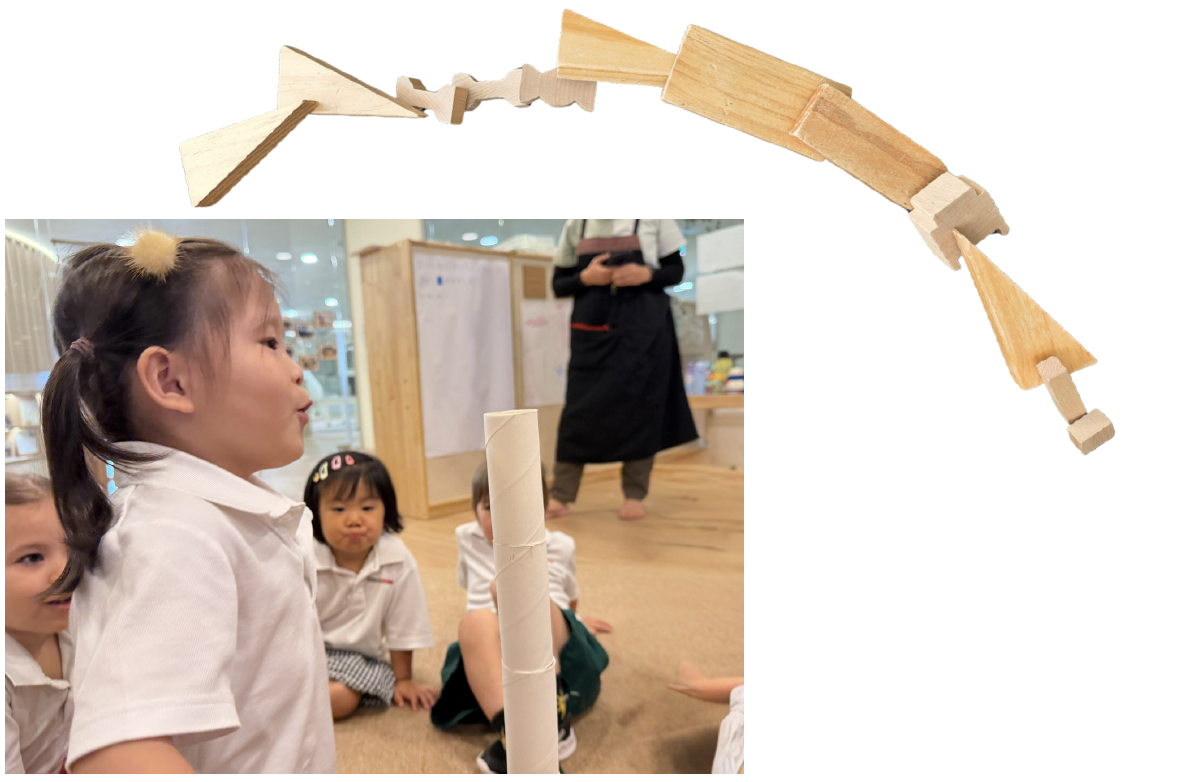
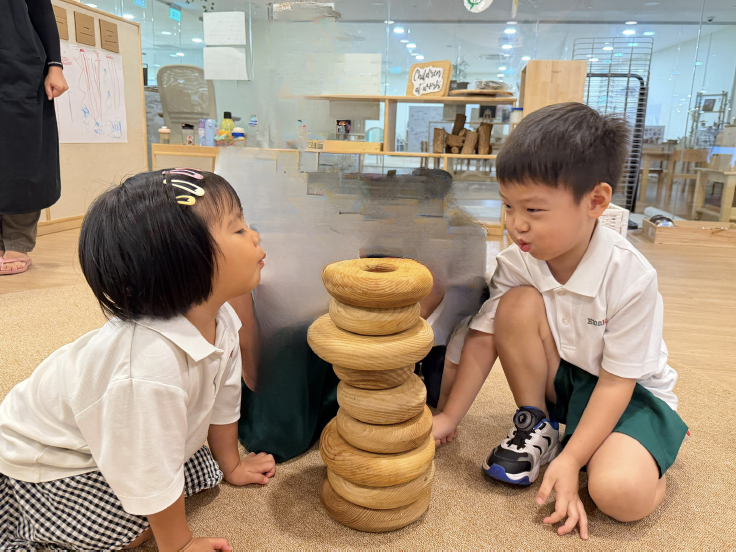
Yu Cen: Look! My slide!
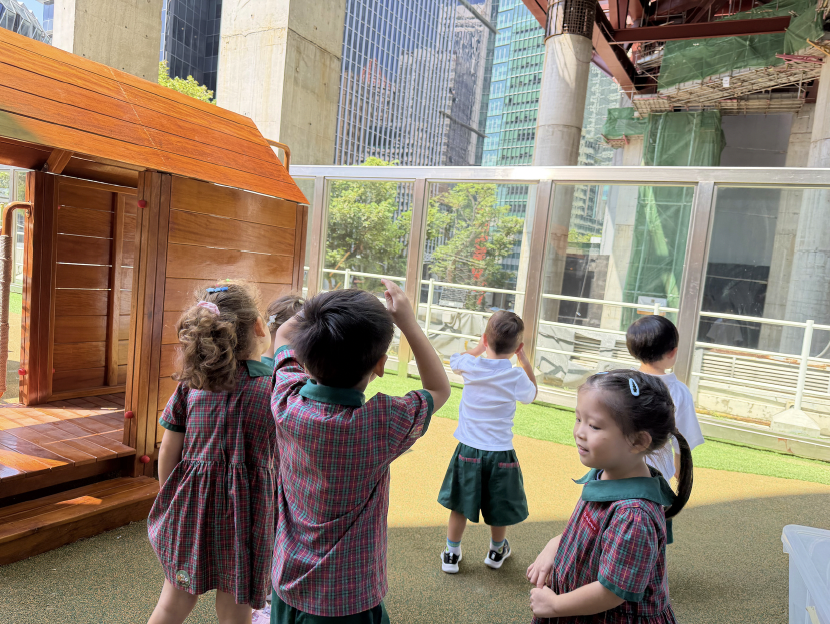
Observing structures in the environment
Lines stretched upward across buildings, pillars, statues, and construction sites. Children’s eyes followed bases, supports, and repeated shapes, noticing how structures rise and remain standing within the surrounding environment.
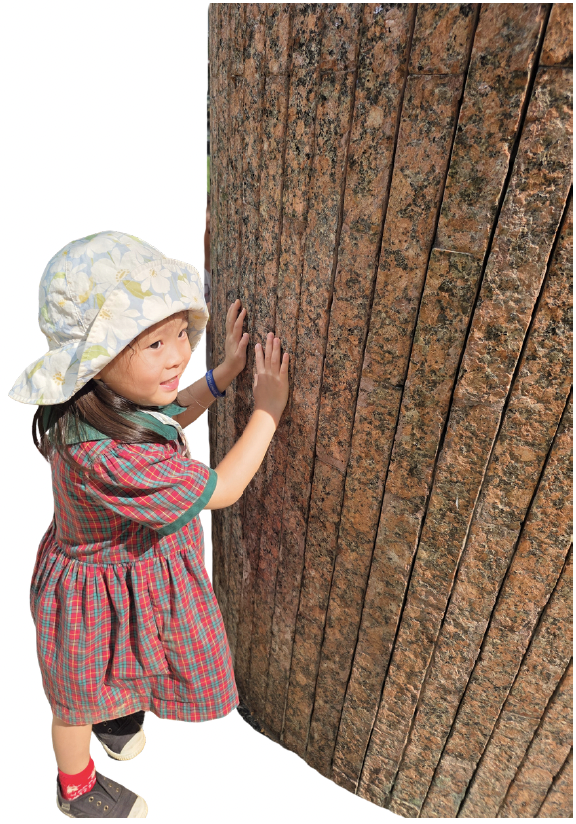
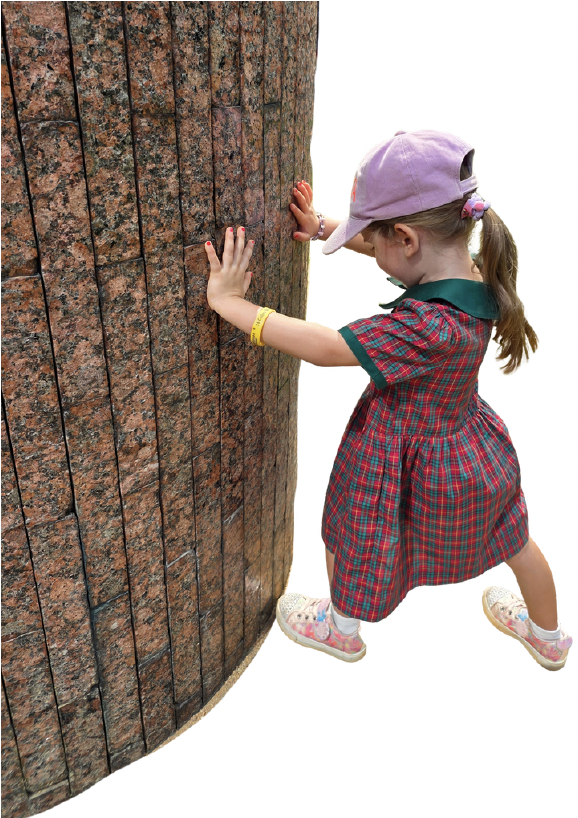
Yu Cen: Come everybody! Help push together the pillar!
Drawing observations
Lines, circles, repeated marks, and layered shapes began documenting ideas about stability and verticality. As children drew what they noticed, drawings became traces of observation, memory, and theory.
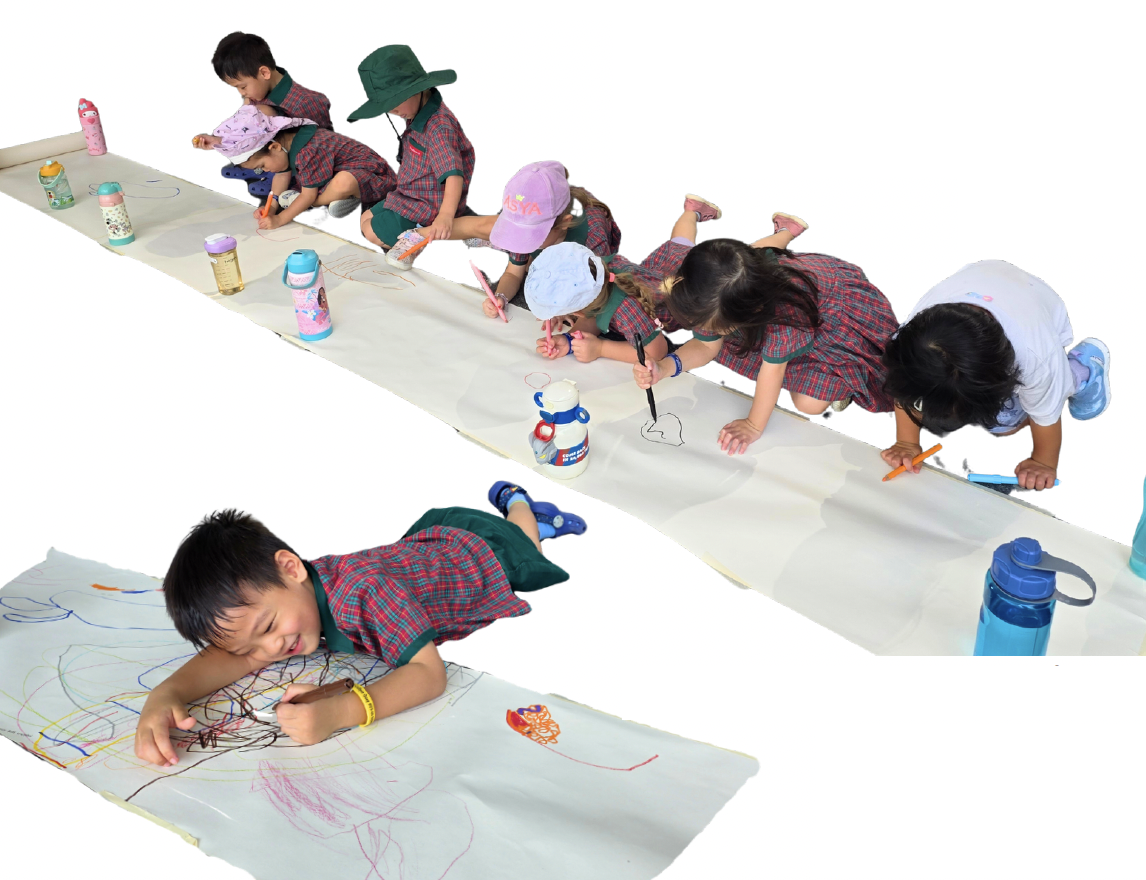
Rin: Marina Bay Sands is your house.
Junhao: I draw the Marina Bay Sands.
Sharing theories through drawings
Drawings returned as traces of earlier observations and emerging theories. As children revisited and shared their drawings, words such as “holding”, “balancing”, and “floating” moved through conversations, extending ideas about stability and support.
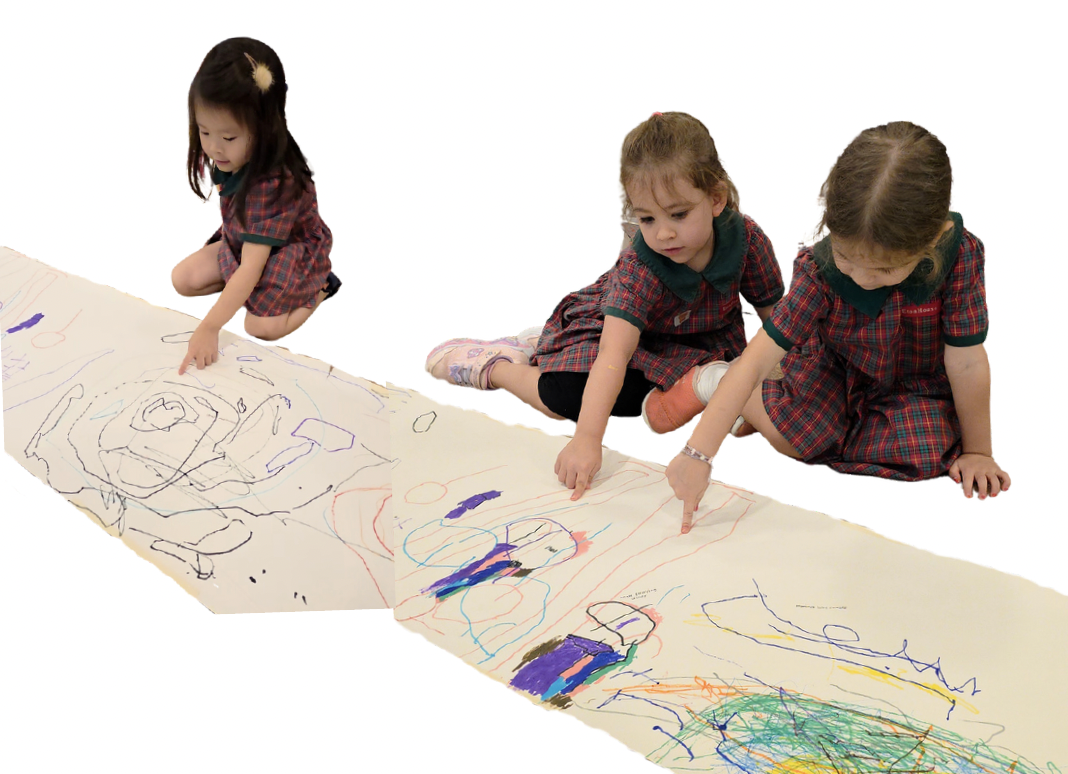
Elodie: I drew Marina Bay Sands with Asya. My building is floating on the water. It can float on the water like a boat!
Building in water
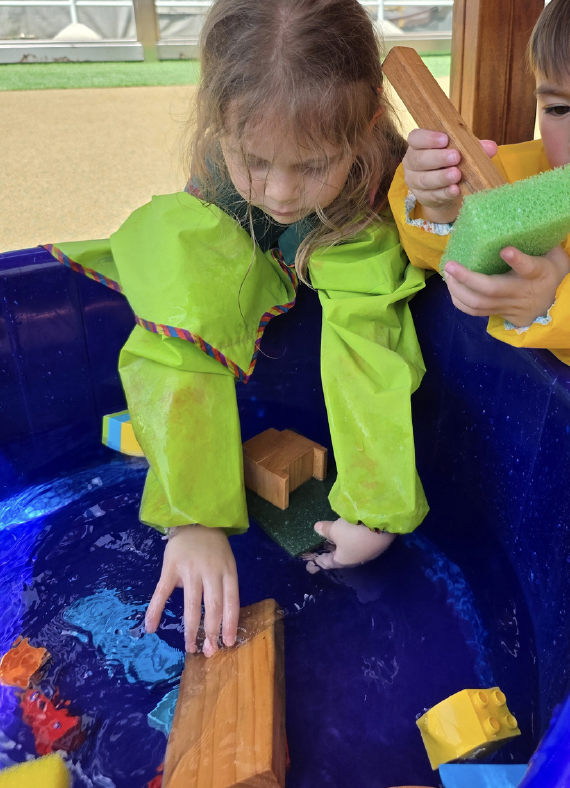
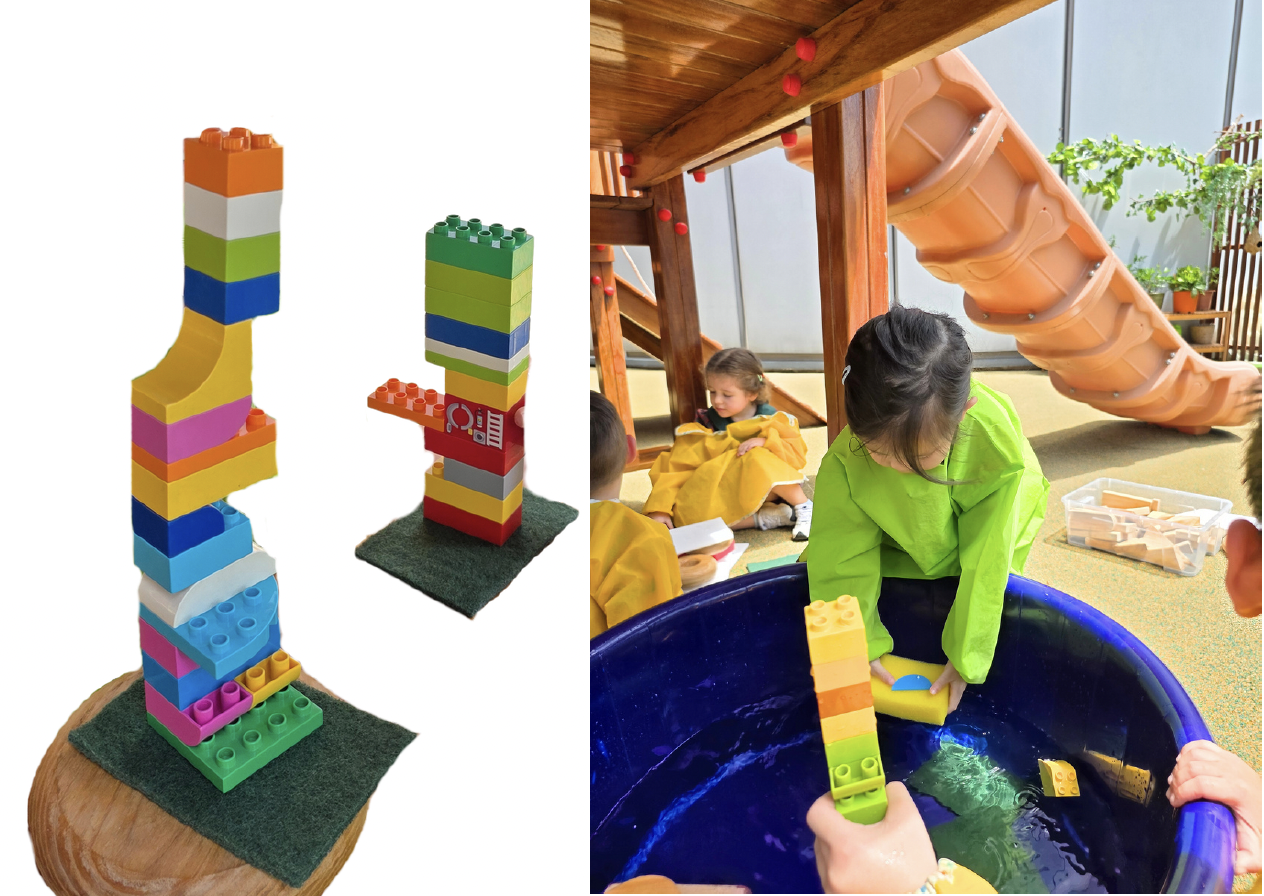
Water transformed the behaviour of structures as floating materials drifted while heavier forms tipped, leaned, or disappeared beneath the surface. As children tested structures in water, earlier theories about balance and support shifted through movement and experimentation.
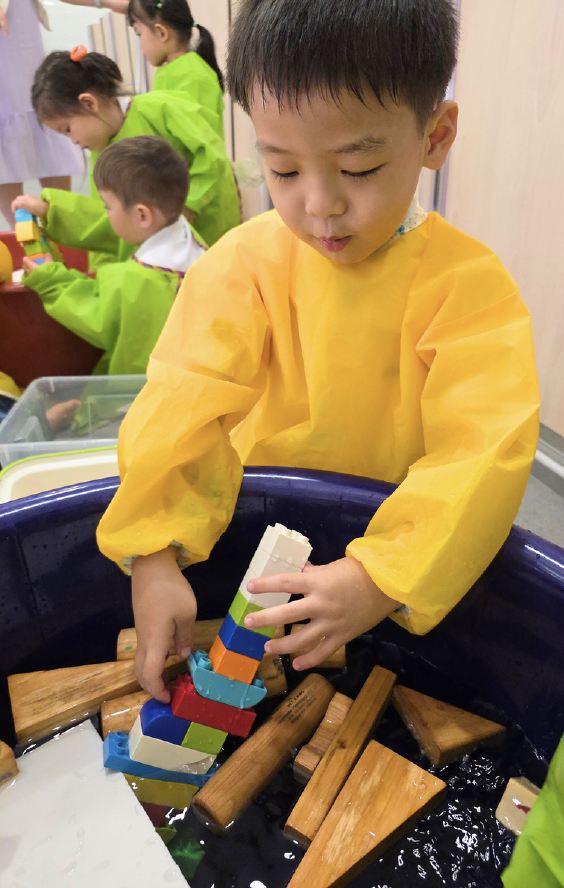
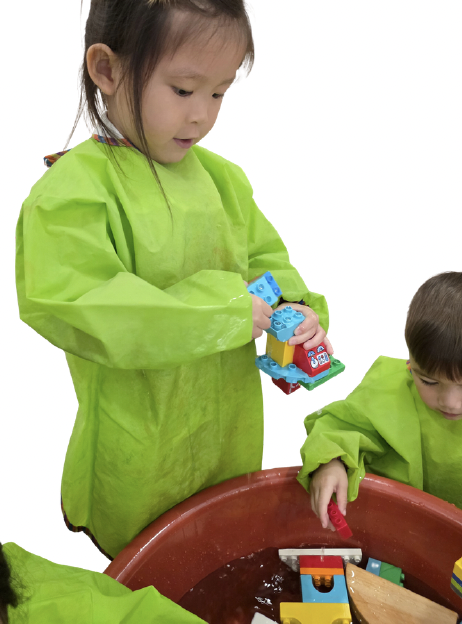
Junhao: Why cannot stand?
Margarida: Only can put short one, cannot put tall one.
Comparing surfaces
Tables, water, and ground each responded differently to weight, balance, and height. As children moved structures across surfaces, bases widened, heights shifted, and materials rearranged themselves through repeated experimentation and adjustment.
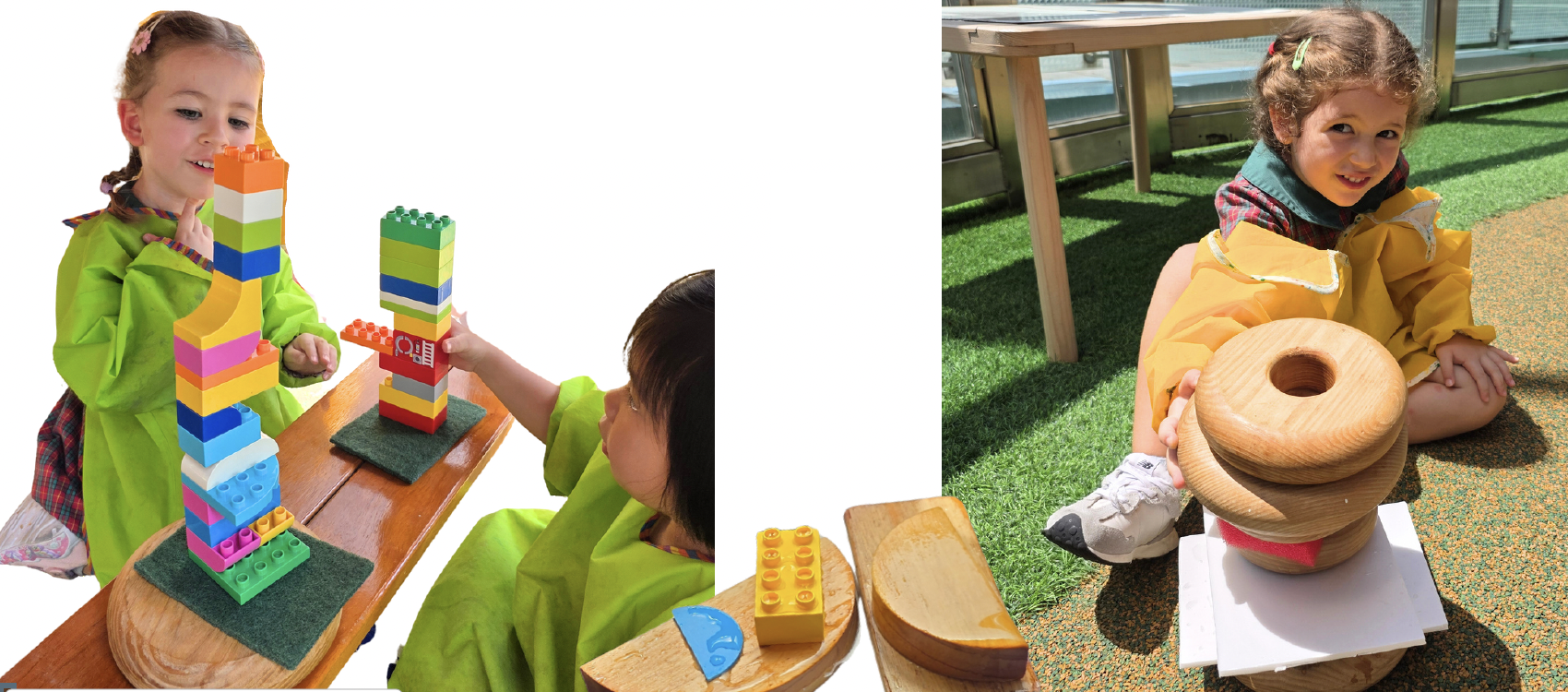
Rin: Look Ms Kim, I build on the table. This table.
Revisiting water experiments
Earlier investigations returned through new attempts. Stable structures became references for rebuilding, while collapsed forms invited children to reconsider and adjust their ideas.
Elodie: We’re making it together!
Asya: It goes byebye in the water.
Introducing clay as a connector
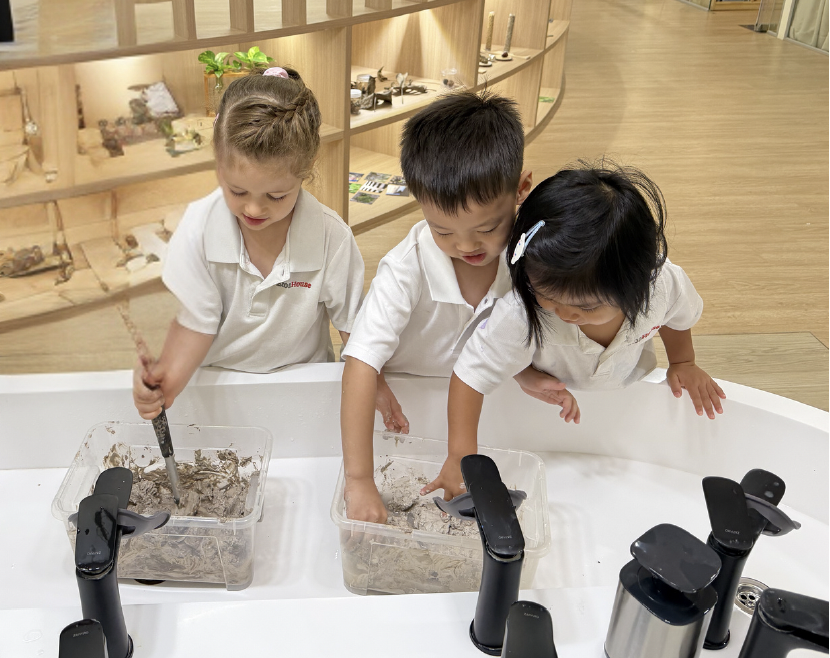
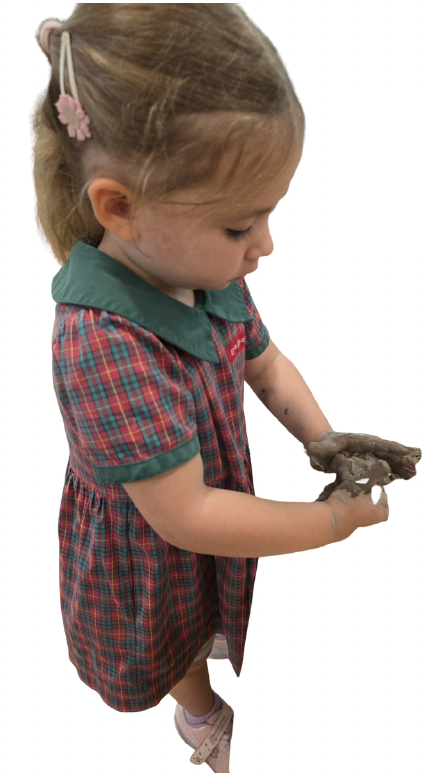
Clay entered the inquiry as a material for joining, holding, and reconnecting. Fingers pressed, rolled, flattened, and attached pieces together as children noticed how soft clay shifted beneath weight and pressure, revealing how connections could strengthen, loosen, or transform structures.
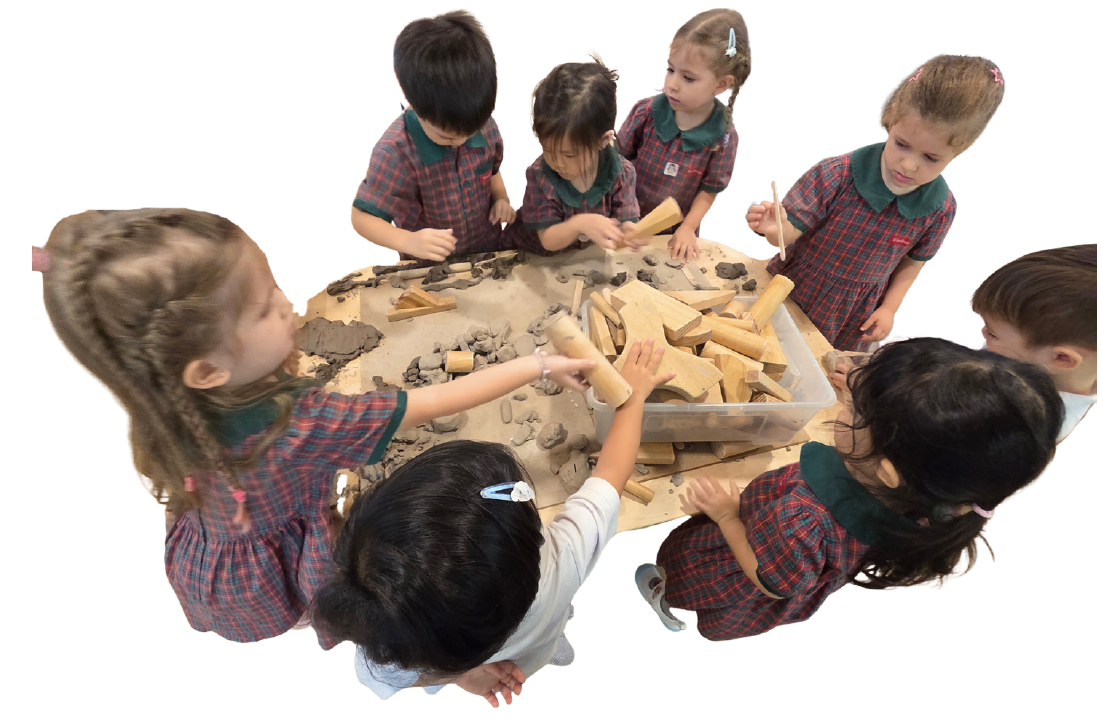
Testing force and movement
Pushing, blowing, tapping, and movement revealed how structures responded to force. As children tested their structures repeatedly, some swayed gently while others cracked, separated, or collapsed, allowing movement itself to become part of the investigation into balance and stability.
Margarida: We are all here to share together.
Exploring wet clay, dried clay, and slip
Drying clay introduced cracking, hardening, and separation as surfaces transformed over time. As children revisited earlier clay structures, wet clay, dried clay, and slip revealed different possibilities for connection, repair, and rebuilding. Slip softened rough edges while water returned flexibility to hardened clay, allowing broken sections to be pressed together once again. Through touch, adjustment, and repeated encounters with the material, transformation became increasingly visible within the structures themselves.
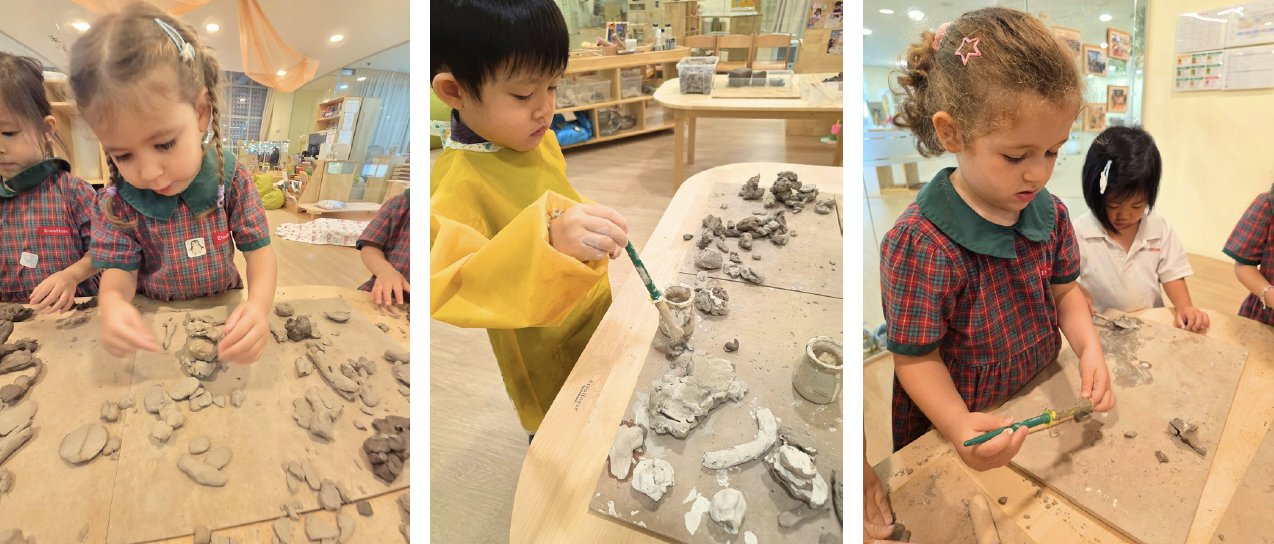
Alexander: Like a paint.
Yuno: So flatten!
探索不同的材料
透明积木、木头、石头、可回收材料、黏土以及 各种松散材料,为孩子们带来了关于平衡、连接 与支撑结构的全新方式。当孩子们将不同材料进 行组合与比较时,结构也在一层层的实验与探索 中不断变化、平衡与转化。
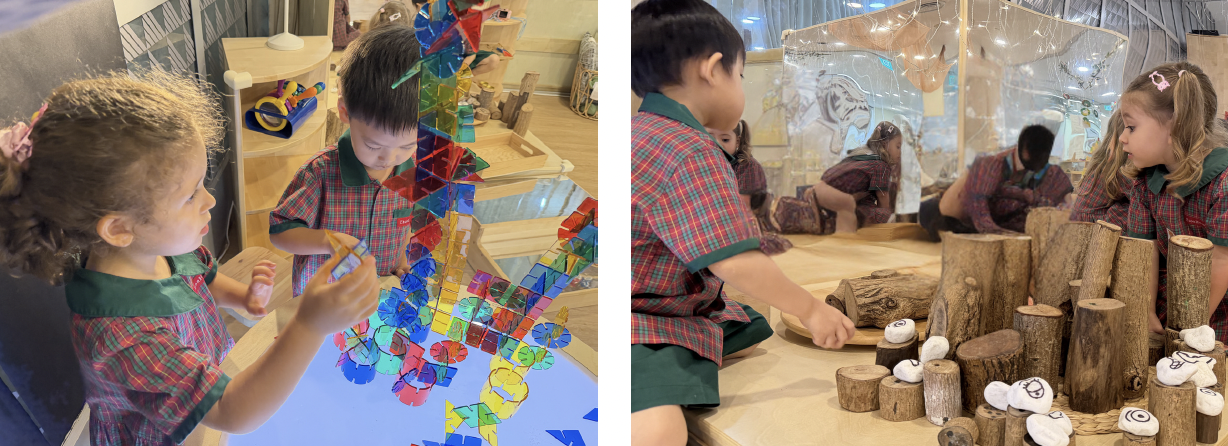
Alexander: The pillars are here to hold the escalator up.
Revisiting structures in the environment
Earlier outdoor observations returned through renewed encounters with structures in the environment. As children revisited shapes, materials, and supports, earlier ideas about how structures stand became increasingly connected to their own building experiences.
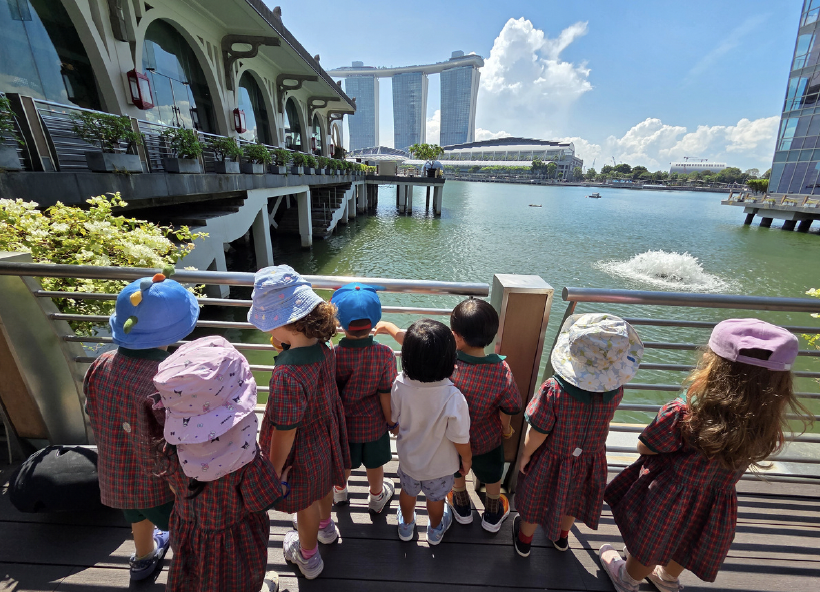
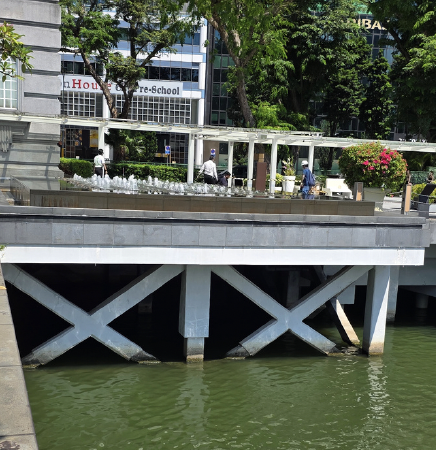
Ari: The pillars look like a cross. A ‘X’.
Sharing drawings with friends
Drawings moved between hands and conversations, becoming a language for revisiting observations and theories. As children shared their thinking with friends, marks, lines, and shapes carried ideas from one encounter into another.
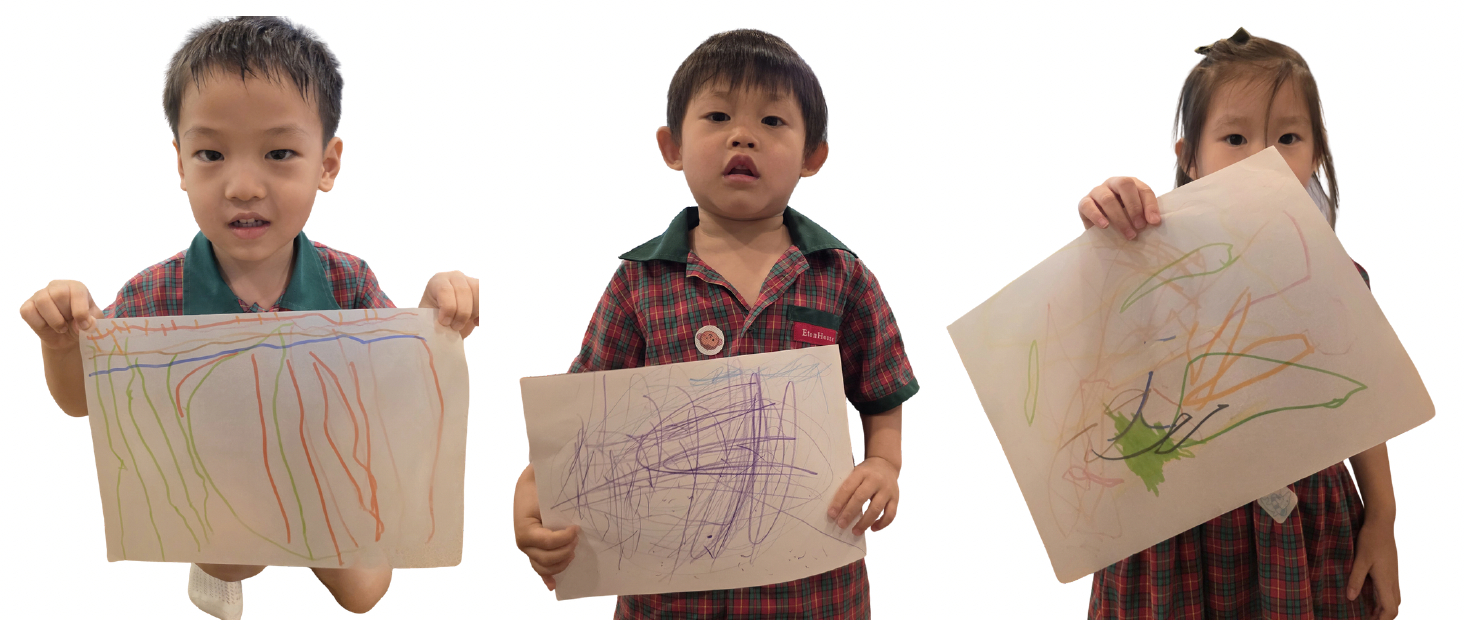
Asya: This one is the colourful water. And then the green colour come out, and it don’t know where is the lift.
Exploring and revisiting pillars
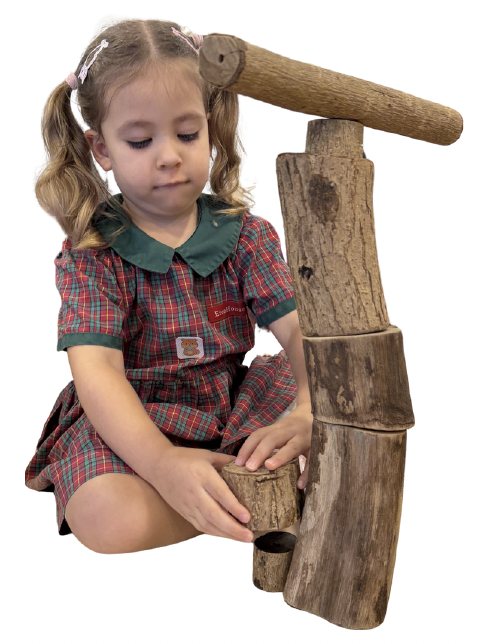
Vertical forms emerged through stacked materials, narrow supports, and widened bases as children experimented with height, balance, and support. Earlier pillar structures returned for closer reconsideration, inviting bases to widen, loose sections to reconnect, and heights to shift through rebuilding and repeated testing. Through revisiting their structures over time, ideas about how structures rise and remain upright continued evolving through observation, adjustment, and experimentation.
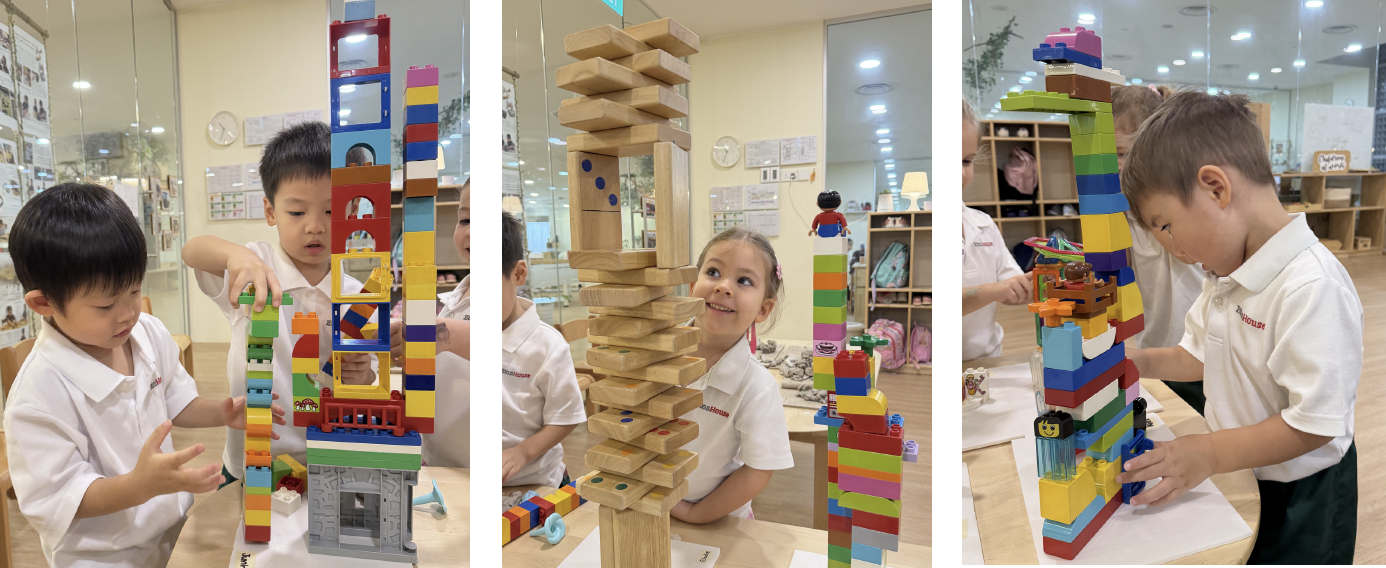
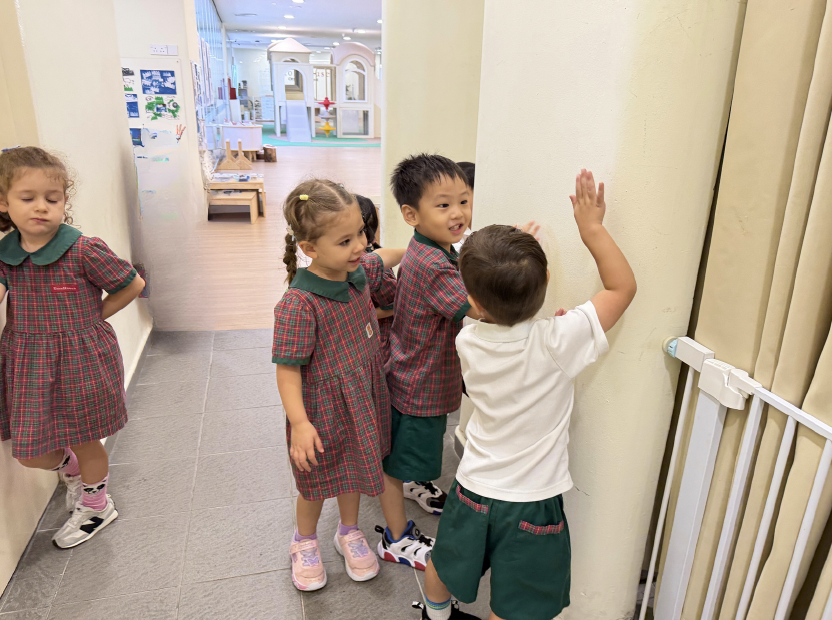
Junhao: So many pillars.
观察环境中的柱子
学校周围以及附近建筑工地里的柱子,成为 孩子们进行比较与观察的重要对象。当孩子 们留意那些重复出现的形态、支撑方式以及 竖立的结构时,关于建筑如何保持稳固站立 的想法也逐渐变得清晰可见。
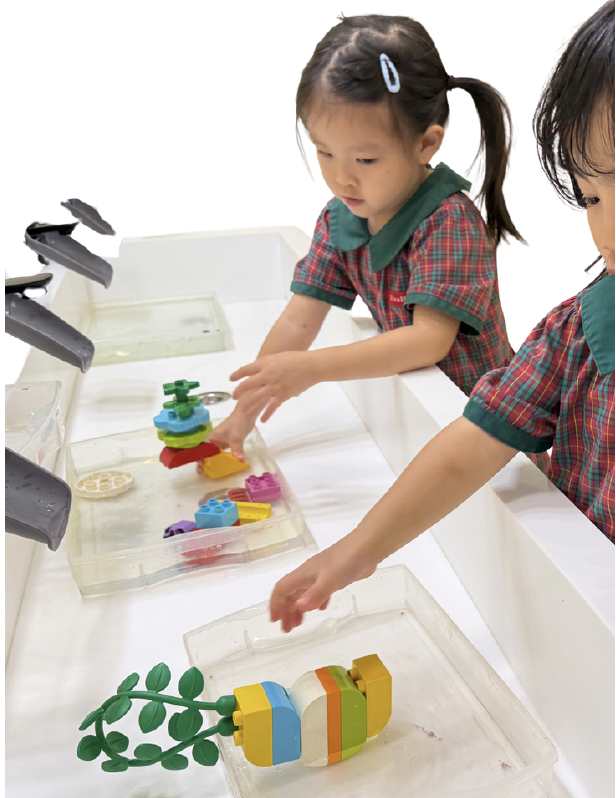
浅水中的结构
浅水托盘为结构下方带来了流动感,水在结构底 部周围不断变化与移动。当孩子们观察结构倾 斜、漂浮或依然保持平衡时,他们的关注也逐渐 转向下沉、支撑以及不断变化的稳定性。
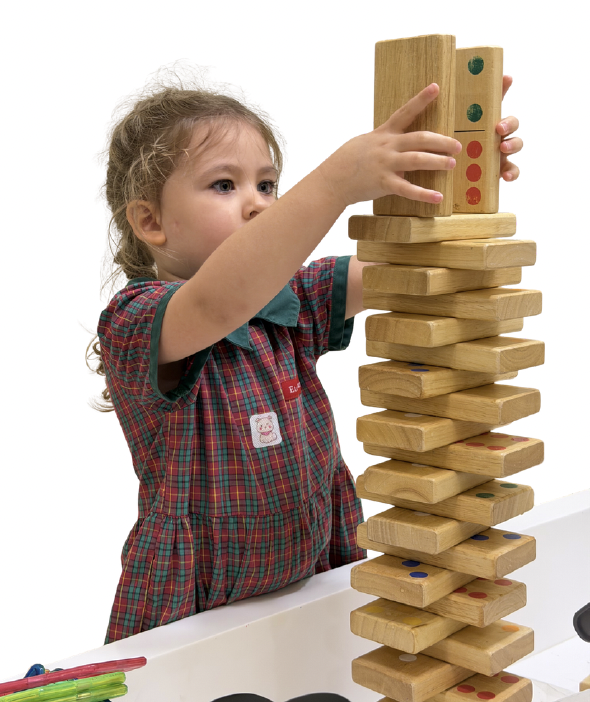
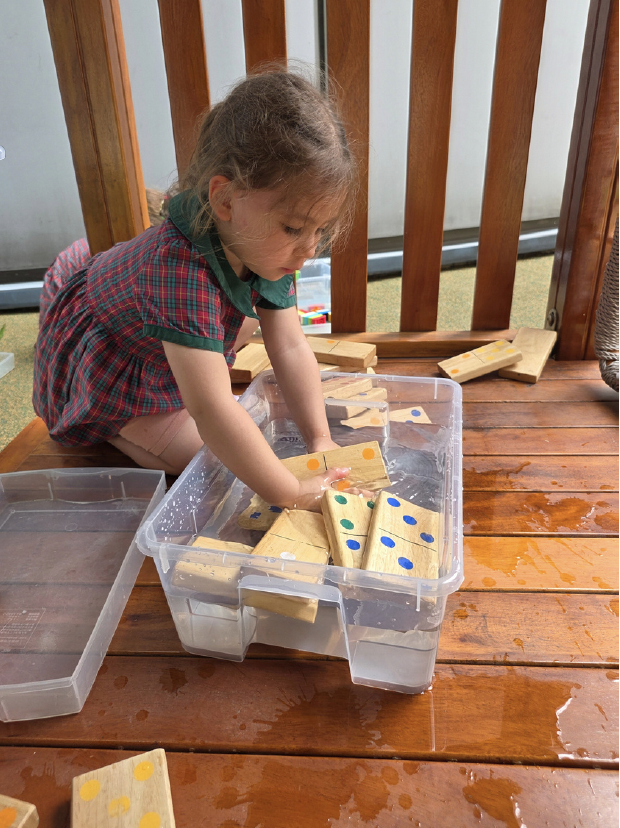
Structures in deeper water
Deeper containers exposed hidden bases beneath the surface. As children looked more closely at shifting movement and changing balance, structures were adjusted, rebuilt, and reconsidered once again.
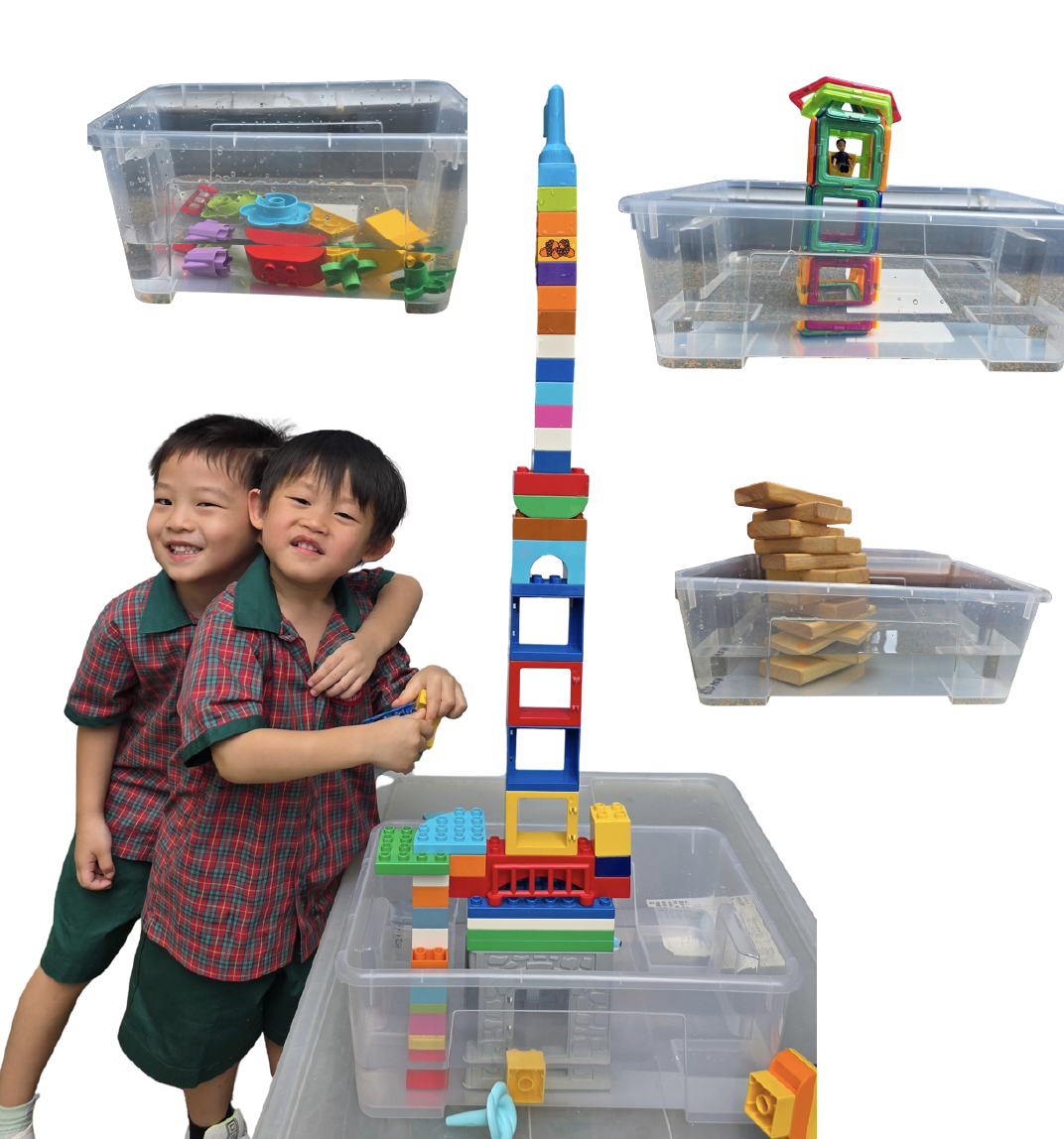
Alexander: Mine one keep falling down.
Revisiting successful structures
Structures that remained standing became points of return for the group. As children revisited earlier experiments, observations, ideas, and strategies moved between one another through comparison, rebuilding, and shared discussion. Earlier successes gradually informed new attempts, allowing more structures to remain balanced and upright over time. Stability became something collectively constructed through repeated testing, inspiration, and shared understanding.
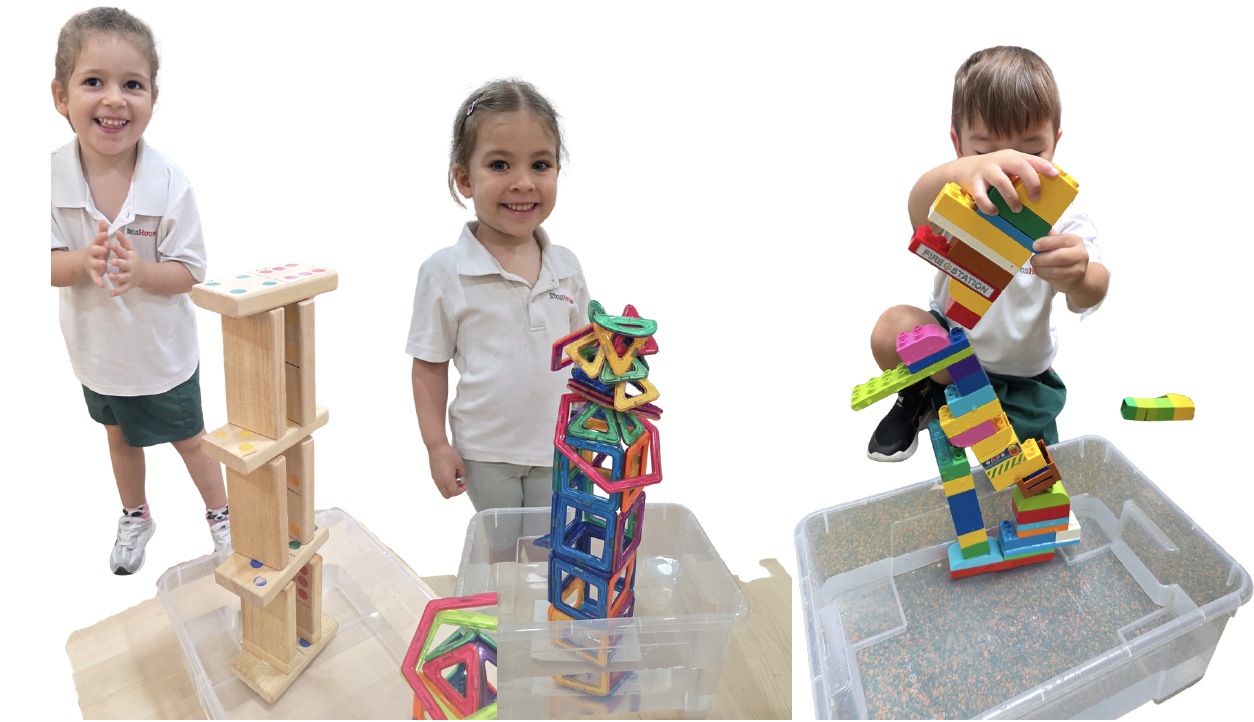
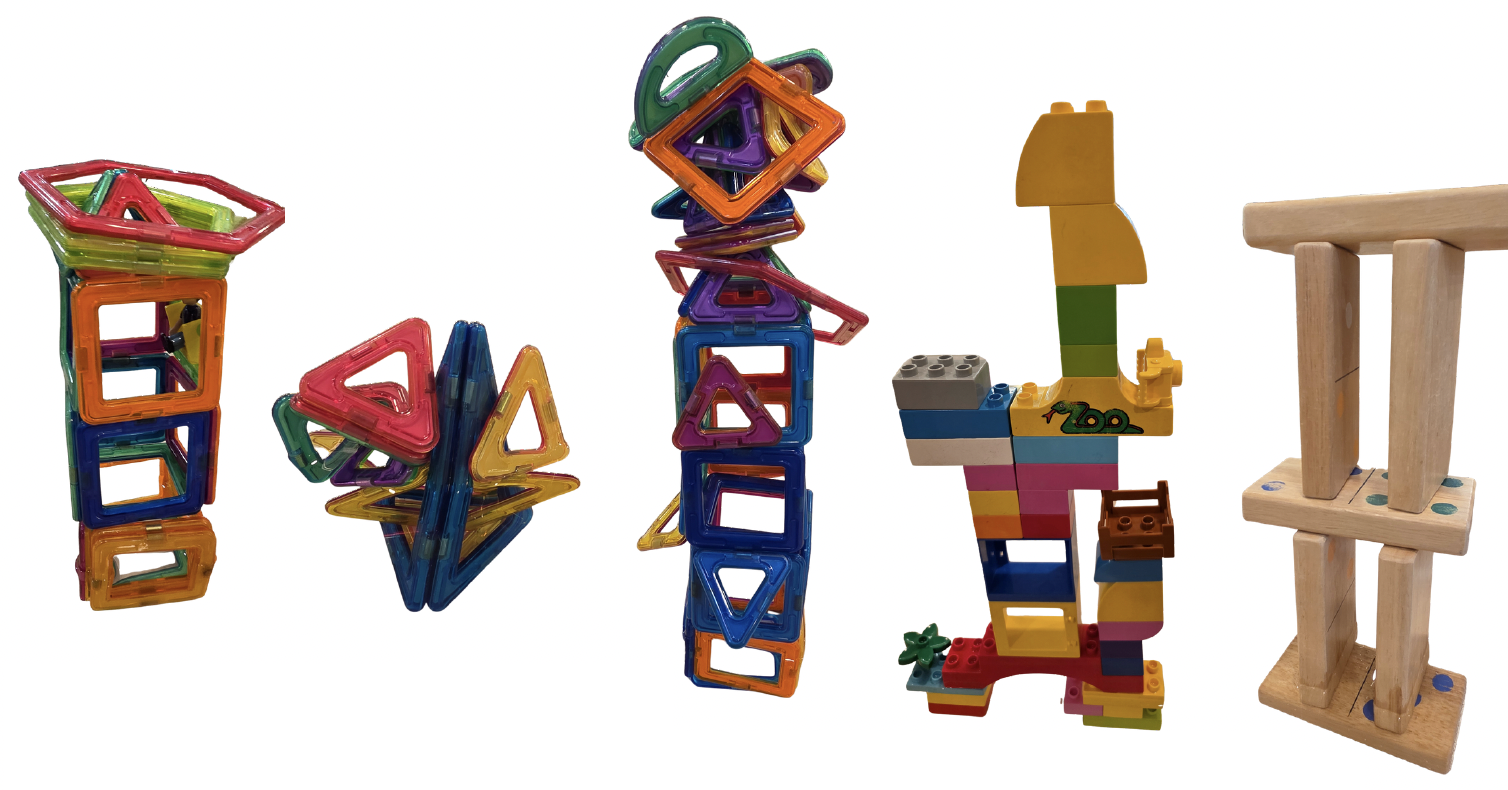
Elodie: Look at mine, it doesn’t fall!
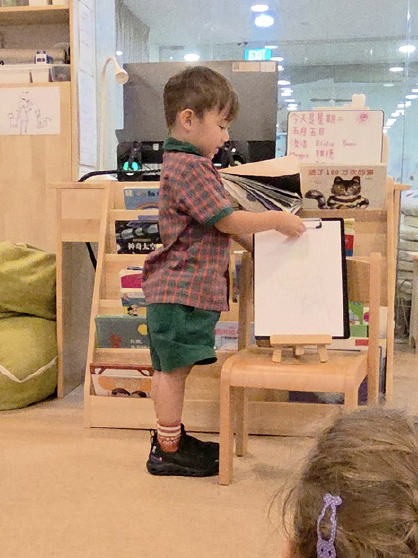
描绘水中的结构
孩子们通过绘画再次回顾那些在水中依然保持站 立的结构。当他们运用线条、形状与重复的笔触 记录自己的观察时,关于漂浮、支撑与平衡的想 法也逐渐清晰地展现出来。
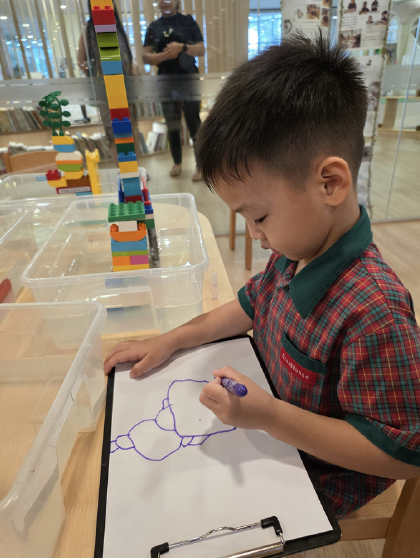
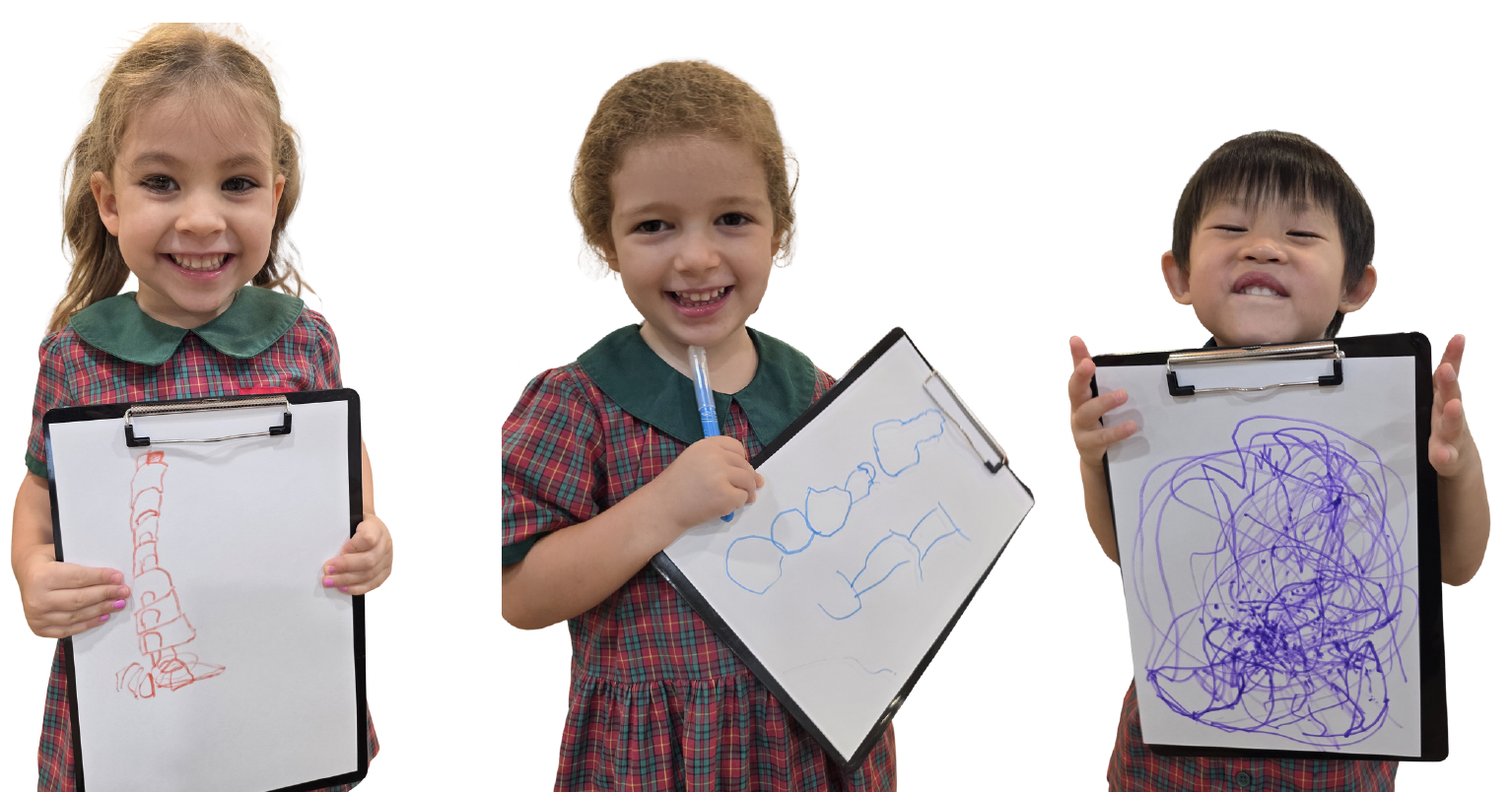
Margarida: How to draw the square?
浚浩: 我的纸要拿横的,因为 我建的东西很大。
Yuno: I put something on the side. And then it doesn’t fall down.
一起改造黏土,共同建构
随着孩子们再次回到先前的结构,原本已经变硬 的黏土在水的作用下逐渐变软。当孩子们触摸、 塑形,并重新连接不断变化的表面时,材质在纹 理、柔韧性与连接方式上的变化也变得愈发明 显。黏土与铁丝带来了关于支撑、平衡与稳固性 的全新可能,让柔软与坚硬的材料既彼此对抗, 又相互配合。 随着材料、调整方式与想法在孩子们之间不断流 动,原本独立的作品也逐渐连接成更大的共享结 构。通过重建、重新连接以及合作性的探索实 验,这些结构逐渐成为对基础、垂直性与支撑关 系的集体研究与探究。
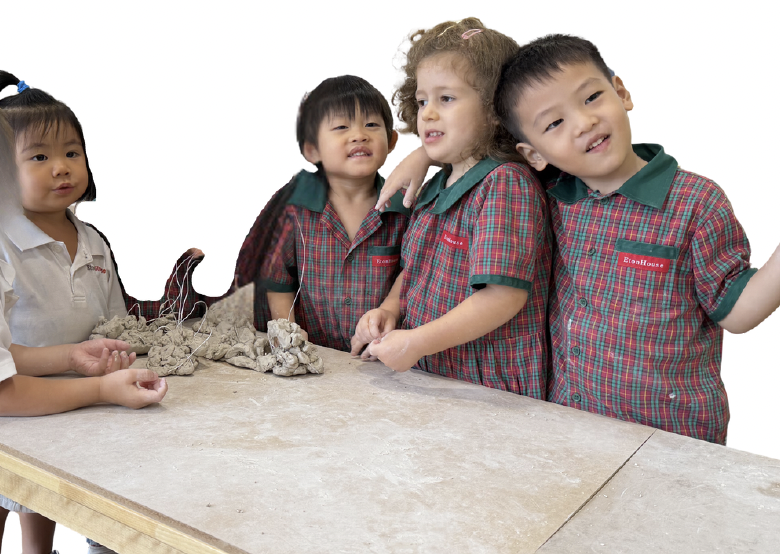
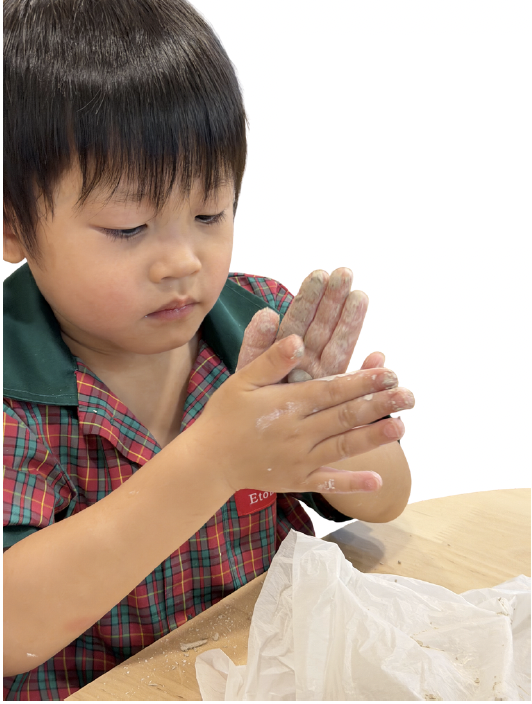
Margarida: I can hold mine from the bottom.
Asya: The clay is so sticky now!
浚浩: 干掉的粘土加水就 可以再继续用了
Margarida: I like this clay.
Revisiting and strengthening shared structures
Added clay shifted the balance of wire structures, causing some sections to move or collapse. As children rebuilt, reconnected, and strengthened different parts together, stability continued evolving through experimentation and collaboration.
Rebuilding independently before reconnecting
Shared structures were pulled apart and rebuilt independently before reconnecting once again. As children revisited their own ideas separately, individual explorations gradually returned into larger collective forms.
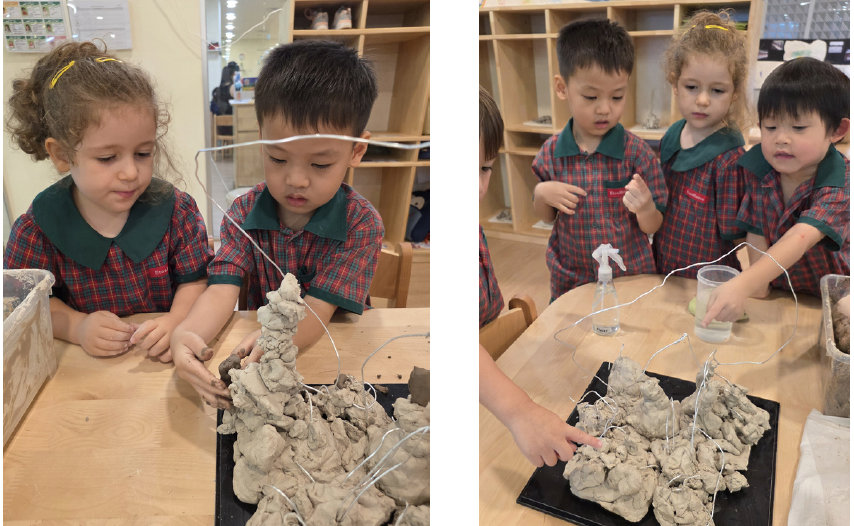
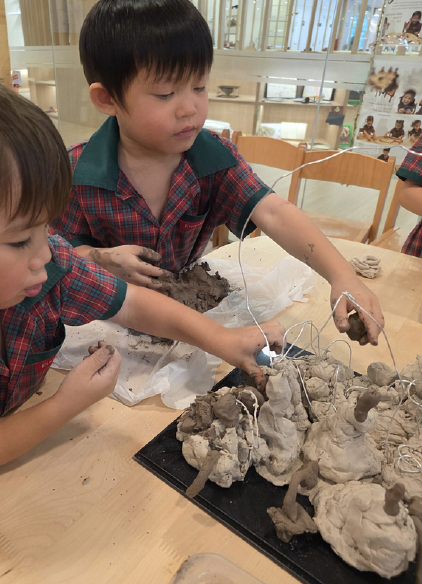
Ari: Alex, you can put here.
From friends to community
Repeated cycles of building, collapsing, reconnecting, and rebuilding gradually deepened relationships alongside structures. As materials, conversations, and ideas moved between children, collaboration, belonging, and community began to emerge through shared experiences and collective investigation.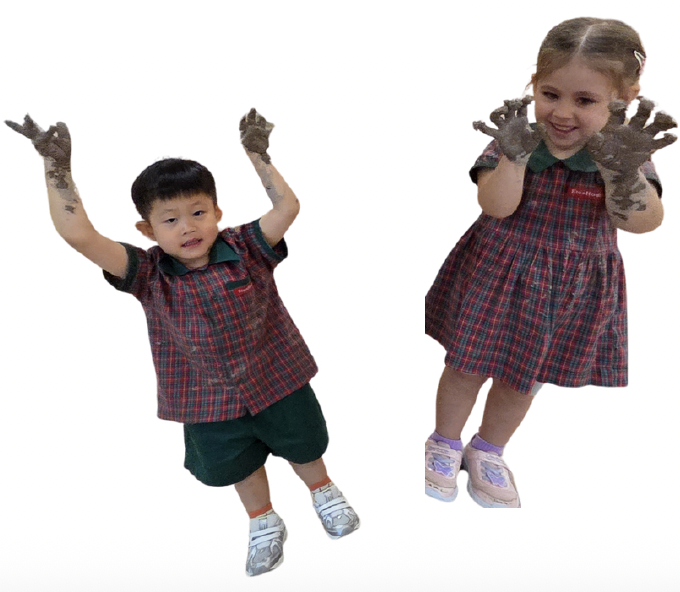


The EtonHouse City Pre-School
16 Collyer Quay, #03-00 Singapore 049318Visit Us
Get DirectionsPhone
+65 6373 5558