Our Pre-Nursery children have been exploring the central idea that our bodies help us move, experience and explore the world around us. Through stories, movement, sensory experiences and play, we invited the children to share their ideas about different body parts and their functions. By listening closely to their words, gestures and choices, we responded to their emerging interests and supported them in finding different ways to express themselves.
Exploring Movement Through Our Bodies
Question: What can our bodies do?
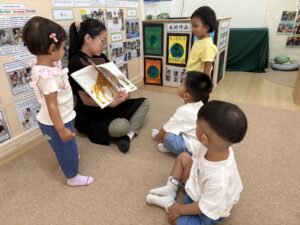
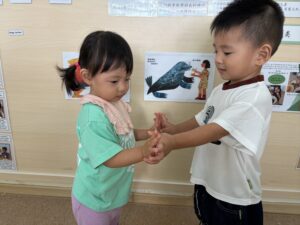
Through Eric Carle’s Head to Toe, we explored the movements of different animals together. The children stretched, bent and moved their bodies in response to the animals’ actions. We joined in, mirrored their movements and wondered together, “What else can our bodies do?”
These shared movements opened new possibilities for investigation. The children extended their exploration through shadow play. As they moved their arms, legs and bodies, they observed how their shadows changed with their movements.
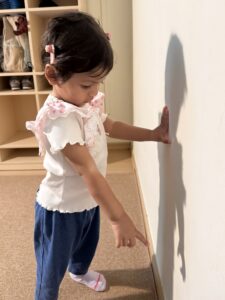
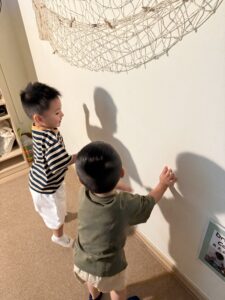
We drew attention to these changes and encouraged the children to revisit their movements; moving slowly, reaching higher or changing the shapes of their bodies. Through this shared exploration, the children developed a growing awareness that their movements could shape what they saw and how they experienced the space around them.
Taking Steps and Trying Something New
As the learning progressed, we noticed the children’s growing interest in what their legs and feet could do. Together, we explored this idea further through the story Feet Are Not for Kicking, considering the many ways feet help us move, including walking, jumping and climbing.
During outdoor play, the playground became another space for the children to test and extend their ideas. When a child noticed a picture of a child climbing, she pointed to it and said, “Climbing!”
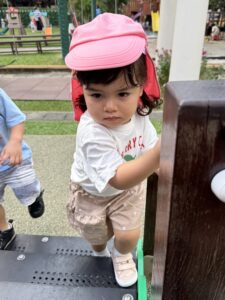
Later, she attempted the playground stairs, carefully placing one foot after another while holding onto the rope for support. We remained close by, offering reassurance while giving her the time and space to work through the challenge. After descending the stairs, the children returned to the movement and tried it again, building on their earlier experience.
In these moments, confidence developed through relationships, encouragement and repeated attempts. The children took small risks, tested their capabilities and discovered that their bodies could help them respond to challenges in new ways.
Listening to the World Around Us
As the children moved through different spaces, their bodies were not only helping them climb, balance and explore, they were also helping them notice what was happening around them. This led us to wonder together: “How else do our bodies help us understand the world?”
Our attention shifted naturally from movement to listening.
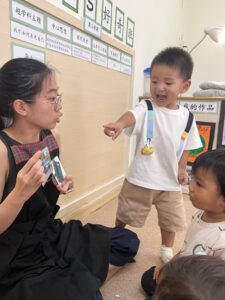
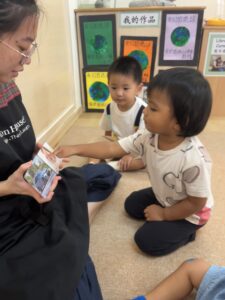
Together, we listened closely to familiar sounds, including birds chirping, a telephone ringing and a baby crying. We invited the children to share what they noticed and followed their interest through a hands-on investigation. By shaking containers filled with bells, pom-poms and plastic beads, the children discovered that different materials could create different sounds.
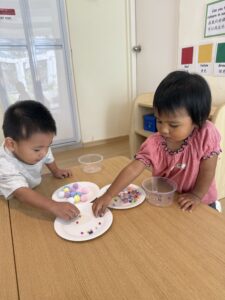
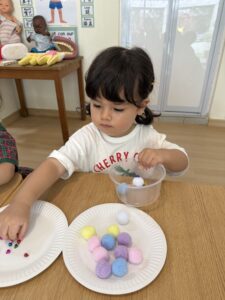
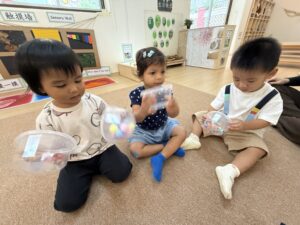
They listened, compared and described what they heard as “loud” and “quiet”. This experience brought several parts of the body into relationship: the children used their hands and arms to move the containers, their ears to listen and their voices to communicate what they noticed. They then created their own shakers, choosing materials and exploring how different movements changed the sounds they produced.
Through this shared exploration, the children began to form a theory: their ears help them receive information about the world, while their bodies can also create sounds as a form of expression.
Discovering Through Taste
As we considered how different parts of the body work together, our inquiry moved from what we could hear to what we could taste. The children began exploring another question: “How do our mouths and teeth help us experience the world?” Using a mouth model, we invited them to explore and share their ideas about how our mouths and teeth help us eat. When a child placed a toy banana into the model, she pressed the teeth together and said, “Eat the banana.”
Building on this idea, we extended the investigation into a real-life tasting experience. The children explored banana, apple, orange and lemon. They used their eyes to look, their hands to hold, their noses to smell and their mouths to taste. Some tastes invited another bite, while others prompted the children to pause and listen to their bodies before deciding whether to continue.
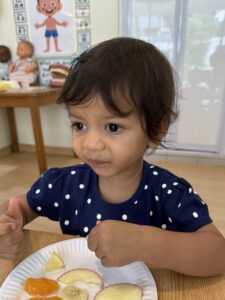
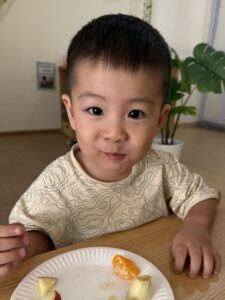
One child tasted several fruits before clearly expressing her preference: “I want orange.” She then took small bites, returned to the bowl and continued enjoying the fruit. By giving her time and freedom to revisit her choice, we supported her in recognising her preference and communicating it with confidence.
As we moved between the mouth model, conversation and tasting experience, the children’s thinking about the body grew more complex. They began to recognise that their bodies do more than help them move: they allow them to sense, make choices, communicate their preferences and connect with the world around them.
Growing as Confident Learners
Across the inquiry, we have returned to the question of function: “What can different parts of our bodies do?” The children’s ideas have developed through movement, conversation, sensory exploration and repeated opportunities to revisit their experiences.
By listening to their words and paying attention to their gestures, choices and interests, we responded with materials, questions and experiences that extended their inquiry. Together, we explored how our bodies can be used safely and purposefully, and how movement, sound and communication can become meaningful forms of expression.
Each movement, sound and taste became part of our shared learning. Through these relationships and experiences, the children are building the curiosity, confidence and trust to discover what their bodies can do and what they are capable of.






Priyanka & Ankesh, Parents of Kimaya and Miraya, Gardens
The school bears the immense responsibility of nurturing the seeds of character within these young minds, and it is evident that they do so with an all-embracing love and a spirit of genuine care. The manner in which educators treat the children, the quality of attention they give them, and the exemplary behaviour they model are all vital aspects of the requisite attitude towards their upbringing. Read more here


EtonHouse Newton Pre-School
39 Newton Road Singapore 307966Visit Us
Get DirectionsPhone
+65 6352 3322