Nurturing a Lifelong Love for Mandarin
Mandarin is not just a language; it's a bridge to:
- Global opportunities: Mastering Mandarin, the most spoken language globally, our programme connects children with peers in China, where EtonHouse operates over 50 schools. This global classroom initiative integrates real-world interactions and cultural exchanges into our curriculum, equipping children with the skills to succeed in a diverse and interconnected world.
- Cultural heritage: Learning Mandarin connects children to the rich tapestry of Chinese cultural heritage, allowing them to engage deeply with its history, traditions, and arts. As children master Mandarin, they develop a global perspective and cultural empathy.
- Cognitive flexibility: Early exposure to Mandarin engages different parts of the brain through the recognition of characters and tonal variations unique to the language. This linguistic experience enhances problem-solving skills and nurtures a child’s mind to manage multiple concepts simultaneously.
What is the EtonHouse ZhongHua Full Mandarin Immersion Programme?
The EtonHouse ZhongHua Full Mandarin Immersion Programme is a signature early years programme delivered entirely in Mandarin. Rooted in an inquiry-based curriculum inspired by the Reggio Emilia Approach, it offers children a rich and meaningful pathway to develop fluency, confidence, and a genuine connection with the Chinese language and culture from a young age.
Children learn, play, inquire, and express themselves in a thoughtfully designed Mandarin-speaking environment, supported by experienced native-speaking educators. Language learning happens naturally through relationships, exploration, and purposeful experiences, rather than through rote instruction.
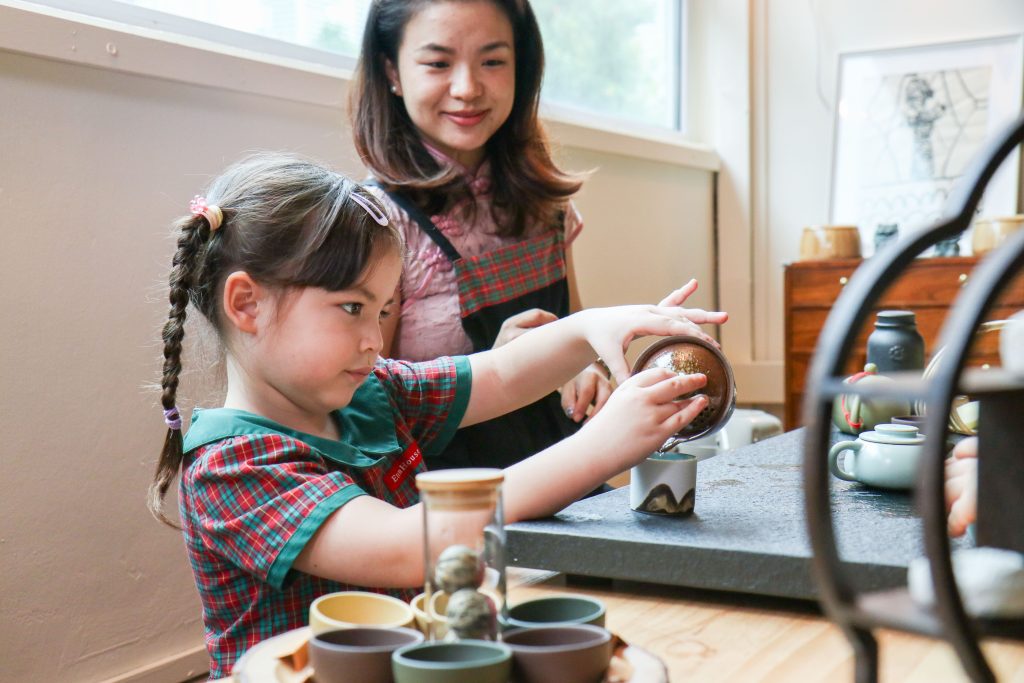
Why Choose the ZhongHua Full Mandarin Immersion Programme?
Learning Mandarin at a young age offers more than language skills—it cultivates curiosity, critical thinking, and a deep appreciation of culture. Our ZhongHua Full Mandarin Immersion Programme empowers children to explore, express, and connect through Mandarin, creating a strong foundation for lifelong learning.
Enhanced Cognitive Flexibility
Immersed in a rich Mandarin-speaking environment, children develop memory, problem-solving skills, and mental agility, strengthening their ability to think creatively and adaptively across languages and contexts.
Deeper Cultural Understanding
Through stories, arts, music, and collaborative inquiry, children engage meaningfully with one of the world’s oldest and most vibrant cultures, gaining insight and appreciation that extends beyond the classroom.
Increased Global Opportunities
Proficiency in Mandarin opens doors to international collaboration, cultural exchange, and future opportunities, equipping children with skills that are highly valued in today’s interconnected world.
Stronger Connection to Heritage
For children of Chinese descent, learning Mandarin nurtures a personal connection to their heritage, fostering pride, identity, and a deeper understanding of family and cultural traditions.
Programme Highlights
- Exclusively Mandarin-speaking learning environment
- Native-speaking, experienced early childhood educators
- Inquiry-based curriculum inspired by the Reggio Emilia Approach
- Integration of the 100 Languages through art, movement, music, and expression
- Strong focus on Chinese cultural appreciation
- Opportunities for global connections with peers in EtonHouse China
Programme Components
Inquiry-Based Experiences
Children explore ideas and concepts through the Inquire Think Learn approach, using Mandarin as the language of inquiry. Learning is driven by children’s questions and interests, supported through multiple modes of expression.
Examples include:
- Visual Arts such as shadow play, Chinese knotting, embroidery, ink exploration
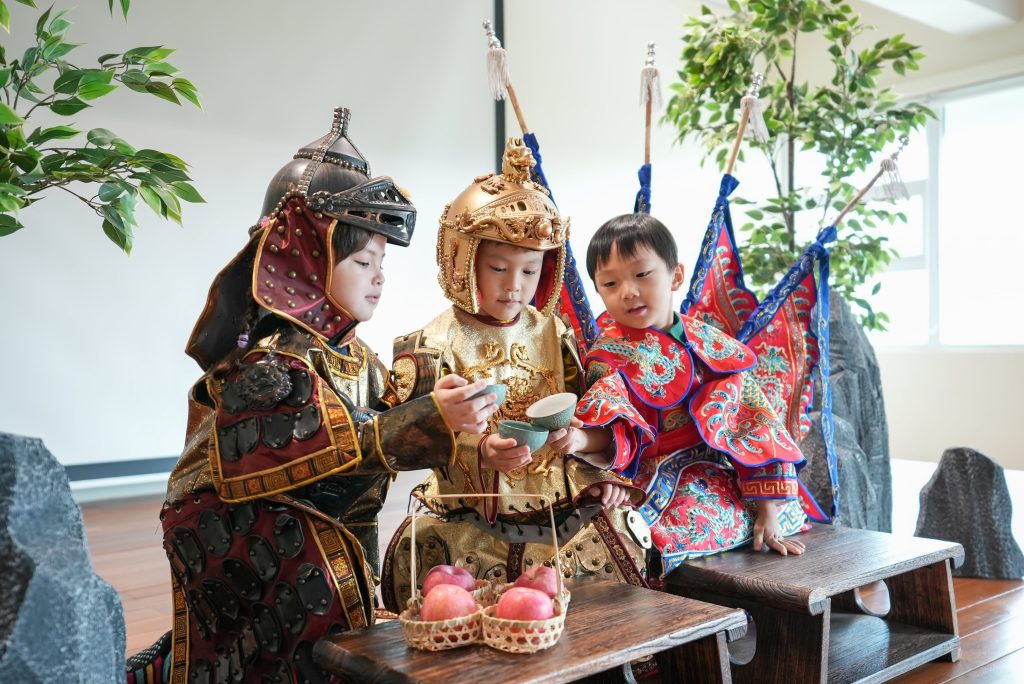
- Performing Arts including puppet theatre, Chinese musical instruments, Peking Opera, cross talk, traditional folk art
- Physical experiences through traditional sports, movement, and games such as kungfu, bamboo dance, and acrobatics
Chinese Language Arts
Mandarin language development is embedded in creative, engaging experiences that support listening, speaking, and early literacy.
Depending on the age group, children experience:
- Nursery rhymes, poems, tongue twisters, clapper talk
- Storytelling, recitation, and shared reading
- Calligraphy and traditional Chinese painting
- Performing arts such as Peking Opera and comedic cross talk
Specialist Learning in Dedicated Studios
Performing Arts
Children engage in dance, music, drama, and traditional Chinese performing arts within a dedicated studio environment. Through performance, children learn to express ideas, emotions, and stories confidently, using both language and movement. These experiences strengthen communication skills, creativity, and self-belief.
Visual Arts
Open-ended materials invite children to explore painting, sculpture, ceramics, printing, textiles, construction, and mixed media. Through observing and responding to works of art, children develop aesthetic awareness and deepen their connection to visual expression, all within a Mandarin-speaking context.
Physical Education
Physical Education experiences focus on developing coordination, balance, strength, and body awareness. Traditional Chinese sports and games such as kungfu and cuju are thoughtfully integrated, supporting both physical development and cultural understanding.
Chinese Cultural Appreciation
Children are introduced to the richness of Chinese heritage through authentic and age-appropriate experiences.
- Calligraphy and Chinese Painting
Children explore the origins and evolution of Chinese characters and express their understanding of the world through ink, brush, and movement. - Poetry
Through poems, children experience rhythm, imagery, and emotion, building language sensitivity and an appreciation of history and storytelling. - Classical Texts and Idioms
Selected idioms from traditional texts introduce children to wisdom, values, and ways of thinking embedded in Chinese culture, supporting language development and reflective thinking.
Global Classrooms: Learning Across Borders
As part of the EtonHouse global network, children in EtonHouse Singapore participate in cross-border learning experiences with their peers in EtonHouse China. They embark on shared inquiries where children explore ideas together, compare perspectives, and construct meaning across cultural and geographical contexts.
Through collaborative projects, children engage in dialogue, share representations, respond to one another’s thinking, and deepen their understanding of the world using Mandarin as a living language. Inquiry themes emerge from children’s interests and are enriched through real connections with peers who live, learn, and experience culture within China itself.
This cross-border learning allows children to see language as a bridge for thinking and relationship-building. They learn that ideas can travel, evolve, and grow through exchange. By encountering similarities and differences in lived experiences, environments, and histories, children develop cultural sensitivity, global awareness, and a deeper sense of belonging to a wider learning community.
In many of our schools, Global Classroom projects have concluded with a successful exchange programme, where children from EtonHouse Singapore visited China, or welcomed their peers from EtonHouse China to Singapore. Together, they completed the final touches of their projects and created lasting memories.
Following the strong success and parent demand for the programme, the EtonHouse Zhong Hua Full Mandarin Immersion Programme is now offered across five EtonHouse Pre-Schools:
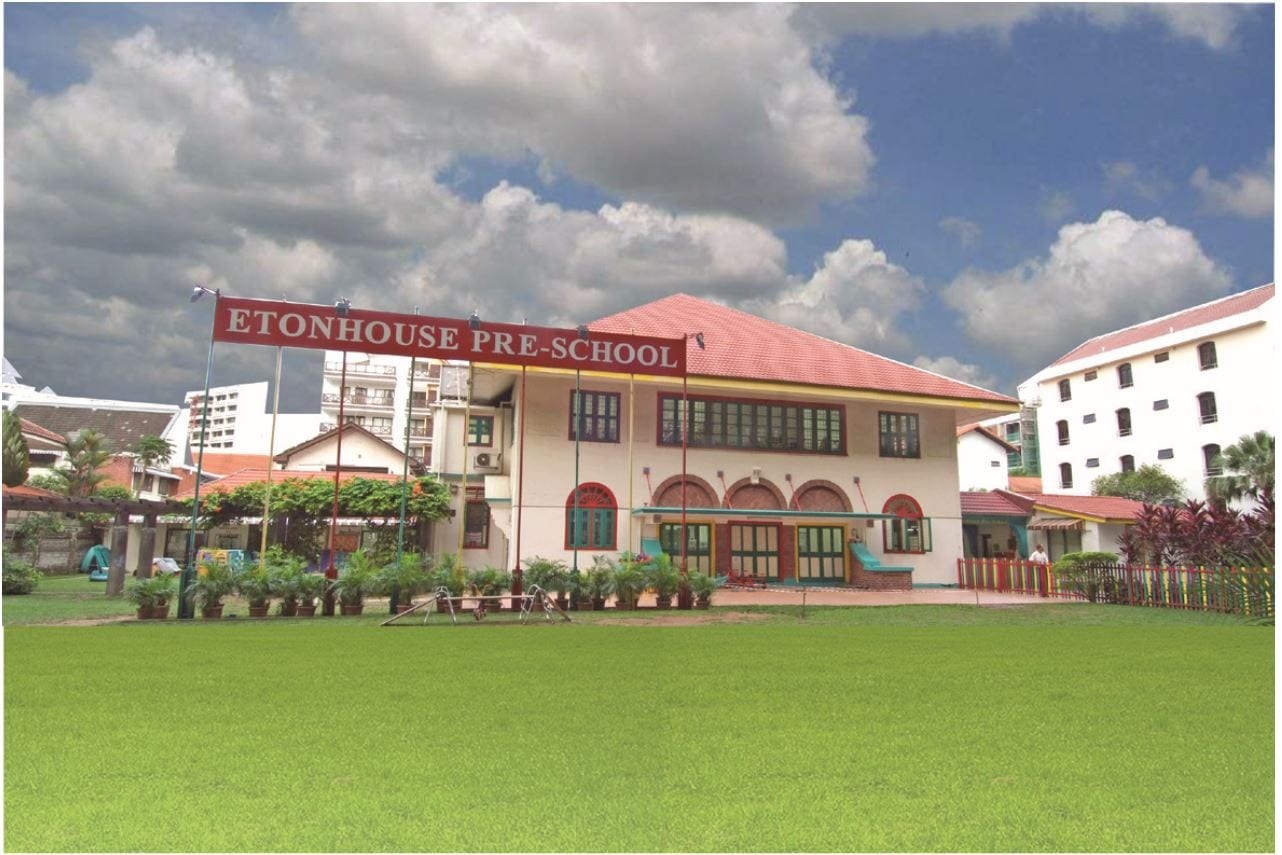
EtonHouse ZhongHua Pre-School
EtonHouse Pre-School Upper Bukit Timah
EtonHouse Pre-School Vanda
EtonHouse Newton Pre-School
The EtonHouse City Pre-School
Each campus delivers the same core programme philosophy and curriculum framework, adapted thoughtfully to the school’s extended environment and children’s interests, while maintaining consistent standards of quality and immersion.
Register Your Interest
Frequently Asked Questions
The programme welcomes both native and non-native Mandarin speakers. Learning is supported through a personalised approach, with educators scaffolding children’s understanding through daily interactions, collaborative projects, and inquiry-based experiences that make language acquisition natural and engaging.
Educators create rich, meaningful environments where children encounter Mandarin through stories, play, performance arts, music and hands-on experiences. Language is embedded in activities that matter to the child, allowing them to gradually understand, participate, and express themselves. Through guidance, observation, and responsive interactions, children gain confidence and a sense of agency in using Mandarin as a language for thinking, inquiry, and connection.
Parents play a key role in extending Mandarin learning beyond the classroom. This can be done through engaging, meaningful activities that complement school experiences. Ideas include:
- Reading bilingual storybooks together to foster language, literacy, and cultural appreciation.
- Exploring interactive learning tools such as talking pens or educational apps to reinforce vocabulary and pronunciation.
- Daily practice at home, such as labelling household items in Mandarin or narrating everyday routines.
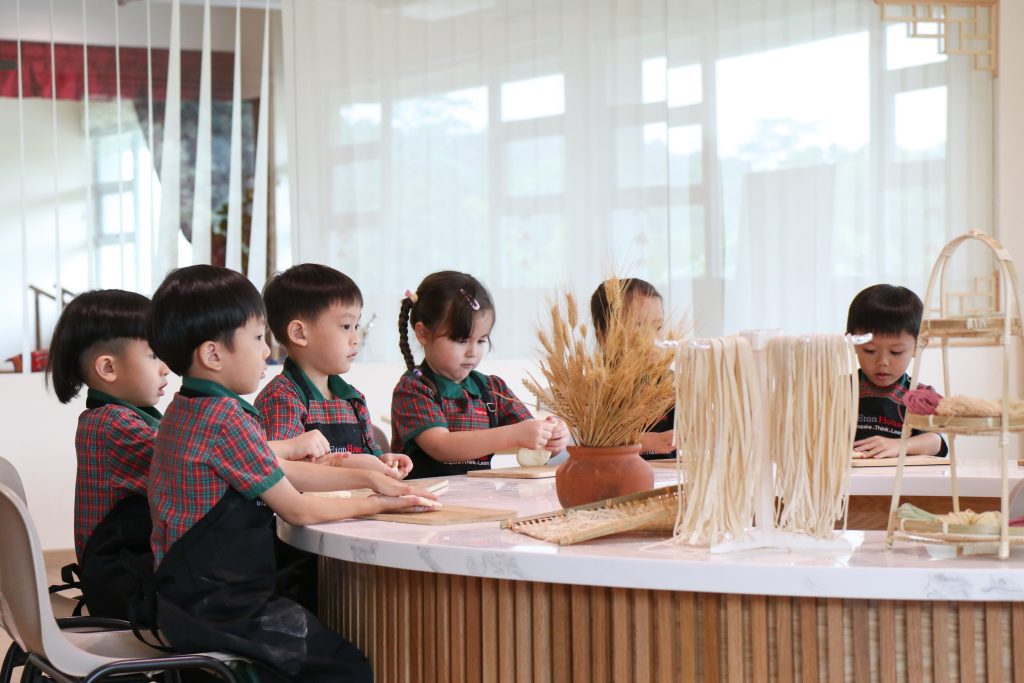
- Cultural and creative experiences, like cooking traditional recipes or participating in performances, to strengthen language in authentic contexts while deepening cultural understanding.
These experiences, when integrated naturally into family life, reinforce learning, cultivate confidence, and nurture a genuine love for the language.
Glimpses
Read Our Parenting Blog
-
Behaviour Guidance, Education, Parenting, RespectfulParenting, Social-emotional
The Rhythm of Care: How Small Moments Build Big Growth
February 11, 2026 0